Market Overview
Crude oil prices extended their downward trajectory on the latest trading session, marking a fourth consecutive day of declines. The sustained drop in the commodity reflects a gradual unwinding of the supply-risk premium that had been embedded in prices following recent geopolitical tensions in the Middle East.
Easing Supply Risks
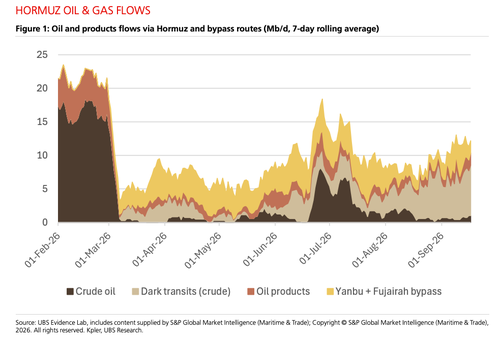
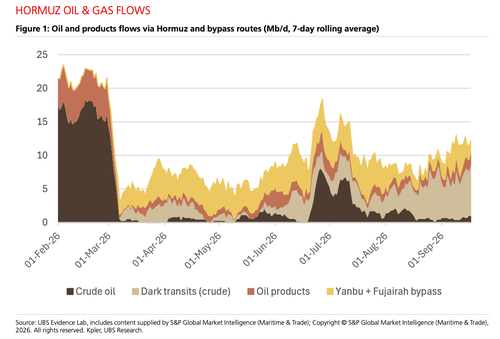
The primary driver behind the latest round of selling is a measurable improvement in the flow of tankers and commercial shipping through the Strait of Hormuz, one of the world's most critical chokepoints for crude oil transport. As transit volumes normalize and the immediate threat to physical shipments diminishes, market participants have begun to price in a more stable supply outlook.
Compounding this positive shift, there are growing indications that diplomatic channels surrounding the Iran-related conflict are reopening. The prospect of renewed negotiations has further reduced the perceived probability of an escalation that could disrupt energy exports from the region, providing additional relief to a market that had been bracing for the worst.
Implications for Traders and Market Participants
For traders positioned in energy markets, the four-day slide underscores how quickly geopolitical risk premiums can deflate once the underlying threat recedes. The combination of improving physical flows and diplomatic progress has shifted the near-term narrative from supply disruption to gradual normalization.
Market watchers should note that the easing is described as addressing immediate supply concerns, which leaves room for further volatility should the diplomatic process stall or shipping conditions deteriorate. The current price action reflects a recalibration rather than a permanent repricing of risk.
For portfolio managers and energy-sector investors, the sustained decline offers a window to reassess hedging strategies that were calibrated around a worst-case disruption scenario. The key variables to monitor going forward remain the pace of Hormuz traffic recovery and the concrete progress—or lack thereof—in Iran-related talks.