Broad-Based Recovery Across Wall Street Baskets
US equity markets closed higher on a day marked by a broad risk-on tone. The S&P 500 gained 0.62 percent, while the Dow Jones Industrial Average posted a stronger advance of 1.01 percent. The tech-heavy Nasdaq 100 rose 0.69 percent, indicating that growth-oriented names were participating in the rally alongside value and industrial stocks. In the futures complex, December E-mini S&P 500 contracts (ESZ26) traded up 0.58 percent, and December E-mini Nasdaq futures firmed in tandem, suggesting that the tone entering the following session remained constructive.
From a market-structure perspective, the Dow outperforming the S&P 500 by roughly 40 basis points points to rotation into industrials, financials, and other cyclicals that traditionally drive the 30-stock index. This pattern often signals that investors are not simply chasing growth names but are broadening participation, a healthier underlying dynamic for a sustained rally.
Chipmakers Lead the Turnaround
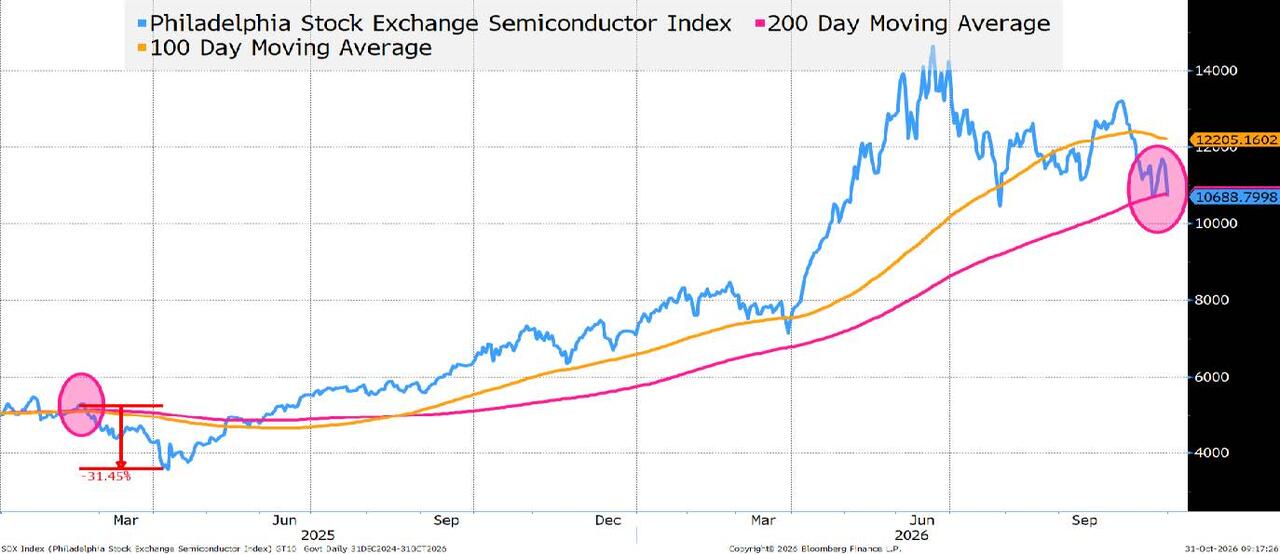
A central theme of the session was the recovery in semiconductor equities. After a period of consolidation and profit-taking, chip-related stocks reclaimed lost territory and became a key pillar of the broader advance. The rebound in this sector is significant for several reasons:
- Earnings sensitivity: Semiconductor firms sit at the intersection of consumer electronics demand, data-center buildouts, and AI infrastructure spend. A turn in their trading often precedes a wider re-rating of the technology complex.
- Supply-chain signal: Stronger pricing and order-book commentary from major chip producers can ease fears about an imminent demand cliff in hardware end-markets.
- Index weighting: Because the largest wafer-fab and fabless design houses carry substantial weight in the Nasdaq 100 and the S&P 500, their price action mechanically lifts both benchmarks, amplifying the visible move in headline index returns.
For traders positioning around the Nasdaq 100 (IUXX / QQQ), the chipmaker recovery adds a near-term catalyst, though it also raises the question of whether the rebound is a one-day relief bounce or the start of a more durable trend.
Crude Oil's Selloff Adds a Dual-Edge Variable
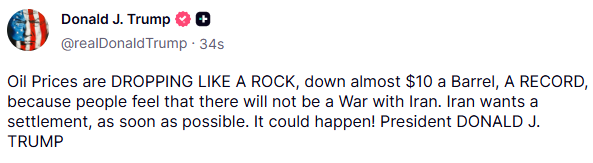
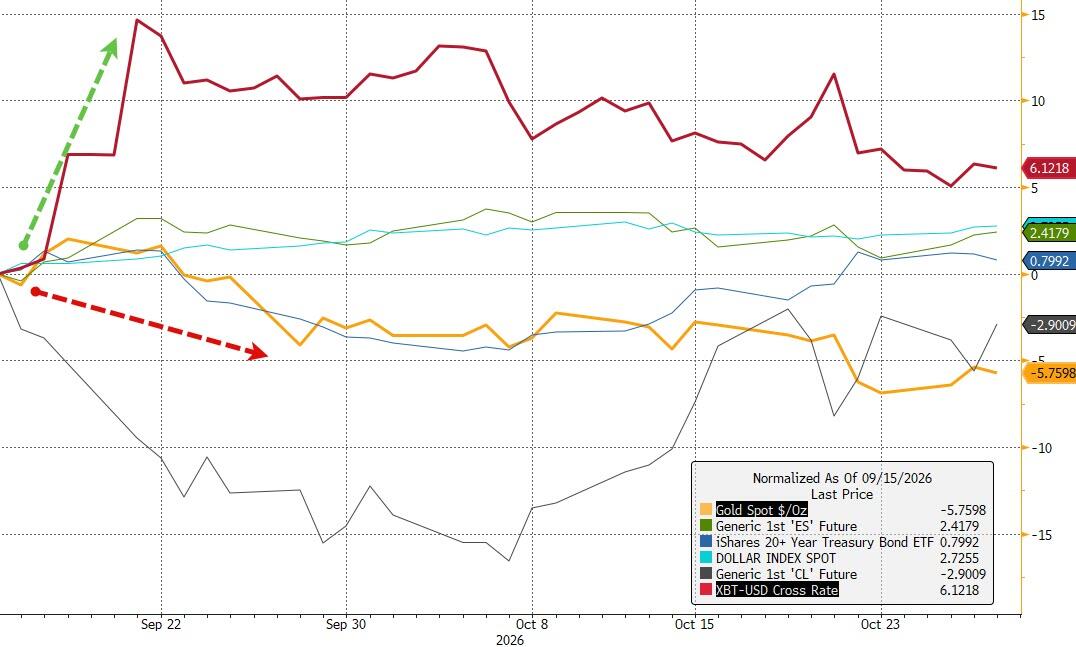
On the other side of the tape, crude oil prices experienced a notable plunge during the same session. The drop in the energy complex carries mixed implications for the equity market:
- Positive for importers and consumers: Lower fuel costs reduce input expenses for airlines, trucking, and retail, and they ease inflationary pressure on household budgets, which can be supportive for broad consumer spending.
- Negative for energy equities: Producers and upstream services companies face margin compression, which can weigh on the energy sector's contribution to the S&P 500 and the Dow.
- Macro signal: A sharp slide in oil often reflects weaker demand expectations or an oversupply narrative, both of which can temper the inflation outlook and, by extension, influence the trajectory of monetary-policy expectations.
What Traders Should Watch Next
The combination of a chip-led equity rebound and a falling oil print sets up an interesting cross-asset picture. Investors will want to monitor whether semiconductor momentum carries into the following session, how energy stocks absorb the lower crude print, and whether the modest futures premium (ESZ26 at +0.58 percent) holds through the open. For those trading the major index ETFs (SPY, DIA, QQQ), the key near-term question is whether the 0.6-to-1.0 percent range of gains seen today marks a floor after recent volatility or whether it signals the opening leg of a more extended recovery.