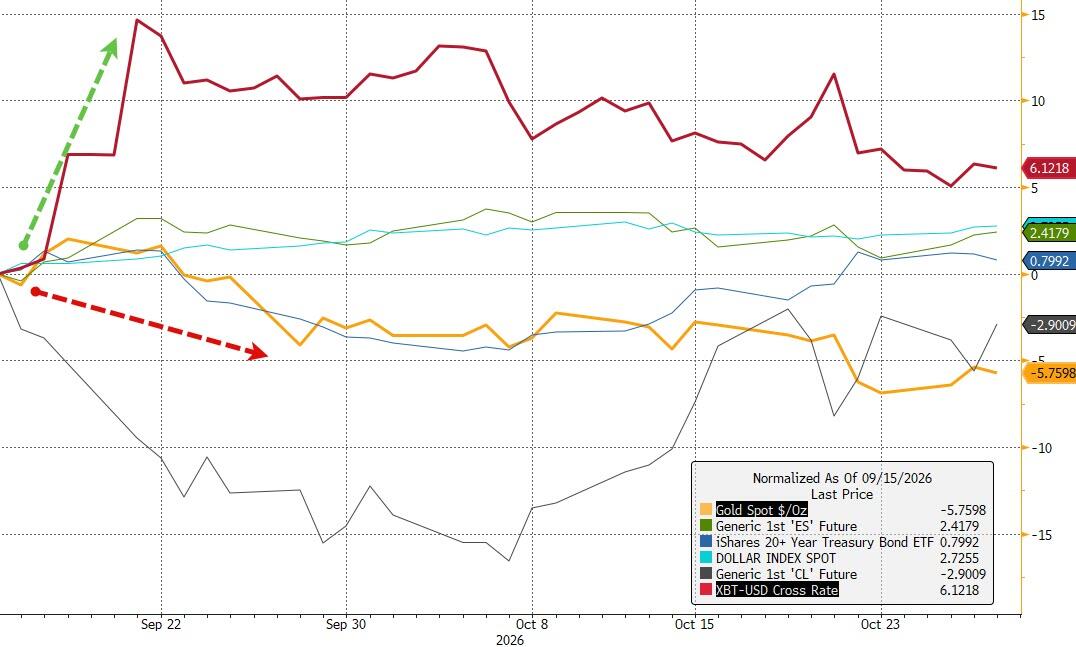
Gold Stabilizes at the $4,000 Level
The precious metal steadied in the neighborhood of $4,000 per ounce during the latest trading session, after a period of selling pressure that has left gold on track for a second consecutive monthly loss. The stabilization at this level suggests that, while momentum has turned bearish on a month-to-month basis, buyers remain willing to defend the metal around the psychologically significant four-thousand-dollar threshold.
The back-to-back monthly declines mark a notable shift for an asset that had previously benefited from a broad de-dollarization trade and safe-haven demand. Traders appear to be recalibrating their positions as the macro backdrop tilts toward tighter monetary policy rather than the easing cycle many had anticipated.
Energy-Led Inflation Reshapes the Rate Path
The primary driver behind the renewed pressure on gold is a resurgence in inflation readings, particularly in the energy sector. Rising fuel and energy costs have fed into broader price indices, complicating the Federal Reserve's inflation outlook and reviving expectations that the central bank may need to deliver an additional rate increase before the calendar year closes.
This shift in the rate trajectory has direct implications for the dollar's trajectory and for the opportunity cost of holding a non-yielding asset like gold. When the probability of higher-for-longer or renewed tightening rises, real yields tend to firm, and the appeal of gold relative to Treasury securities and other income-bearing instruments diminishes accordingly.
What to Watch Going Forward
Markets will be watching closely for further inflation data that could either confirm or soften the energy-driven price pressures. Any indication that the Fed is preparing to act before year-end would likely keep a lid on gold's near-term upside, while a cooling of energy prices could reopen the door for the metal to reclaim lost ground.
For now, the $4,000 zone has become a contested area where inflation concerns and rate-hike expectations are testing the metal's recent support, and a second monthly loss would underscore how quickly sentiment can pivot when the monetary-policy narrative shifts.