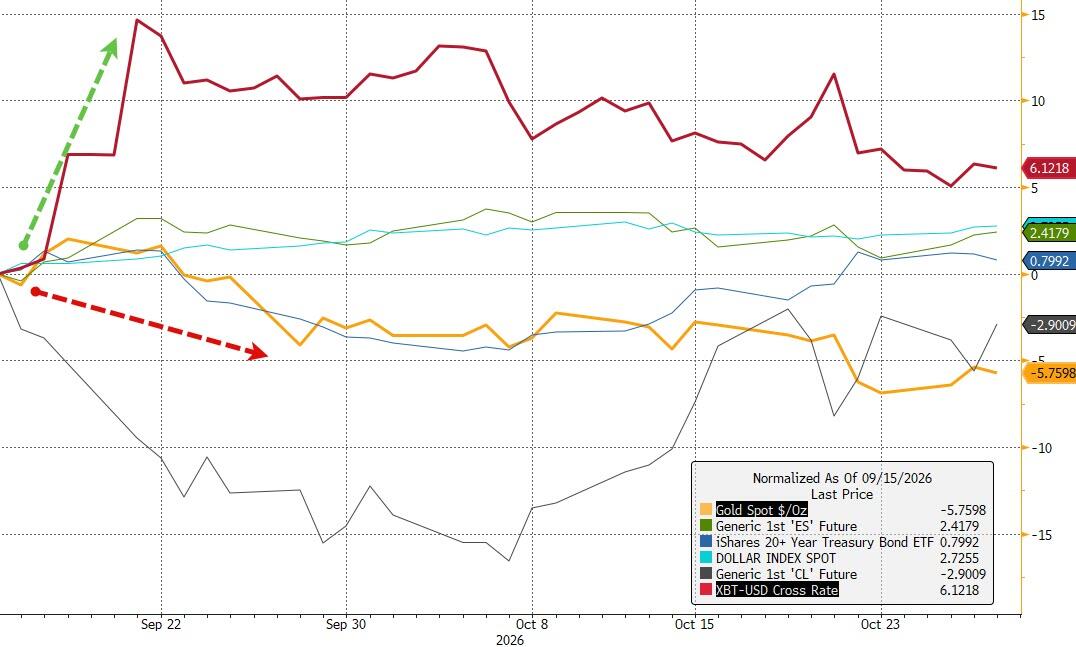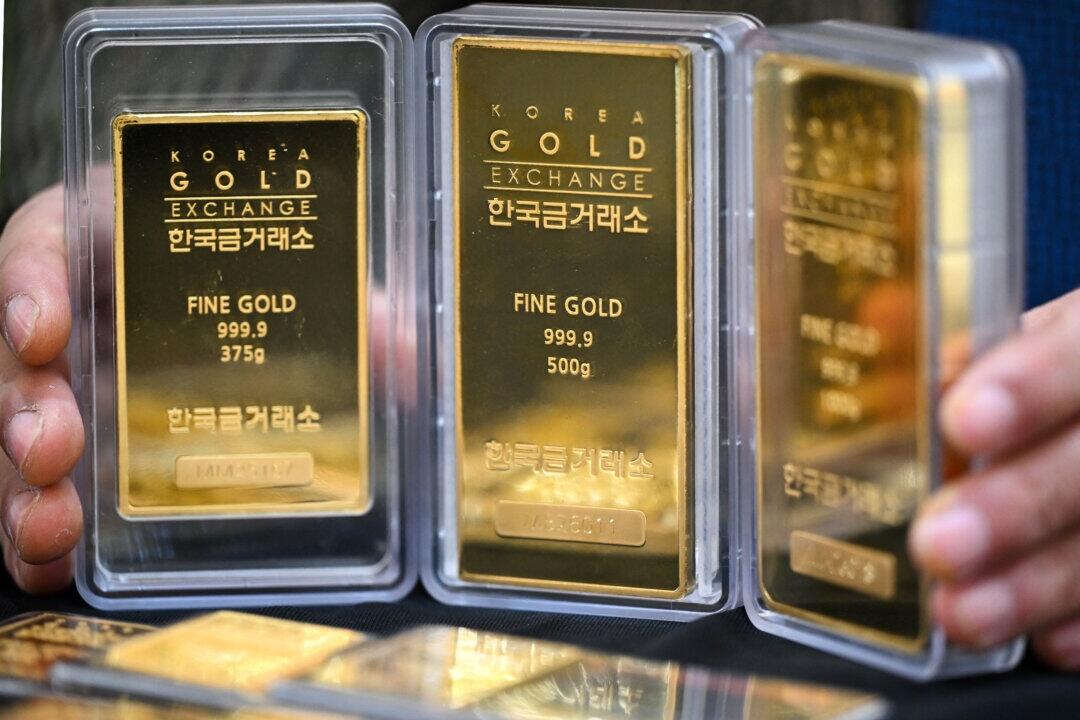
Gold maintained its position above the $4,000 mark following a Democratic takeover of Congress, which drove down the US dollar and Treasury yields and reinforced the metal's appeal as a portfolio hedge.
Precious metals traded sideways in early Asian hours after a brief post-election rally, while crude oil dipped and the U.S. dollar eased in the aftermath of the U.S. midterm elections.
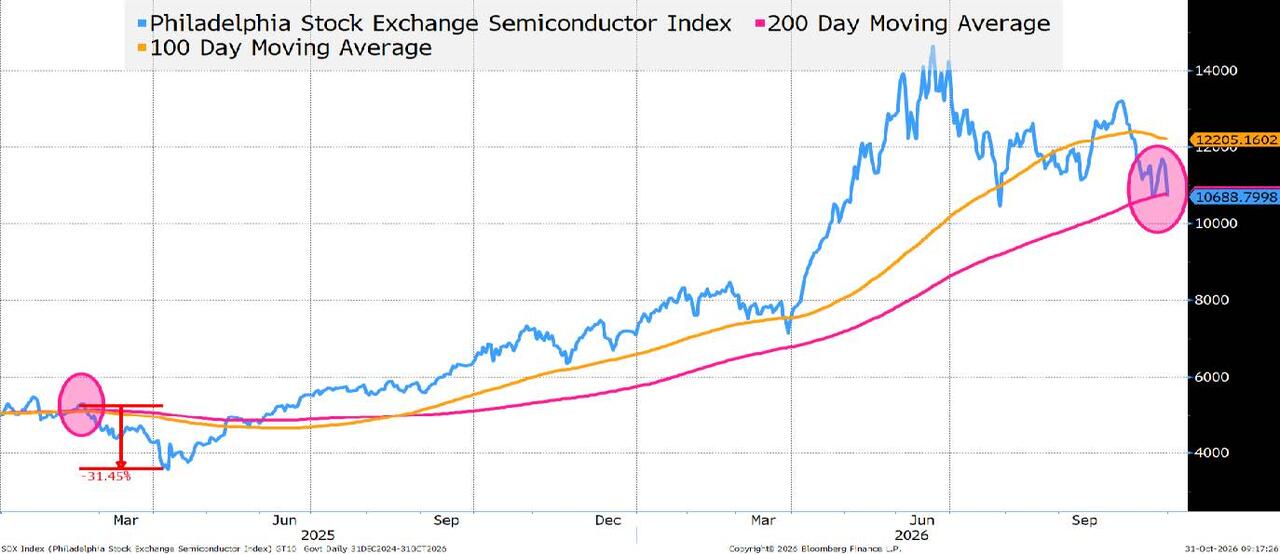
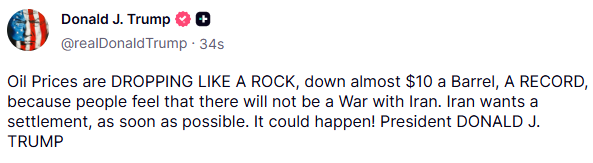
Major US stock indexes posted gains in a session where recovering chipmakers offset broader risk concerns, while a sharp drop in crude oil added a fresh variable for energy-sensitive sectors.
Cotton contracts lost 40 to 52 points across the board on Monday, dragged lower by a sharp drop in crude oil and a retreat from large managed-money speculators who trimmed over 10,000 positions.
JPMorgan Asset Management expects the Chinese yuan to appreciate by roughly 10% in the coming period, citing Beijing's persistent and methodical campaign to expand the currency's role in global trade and finance.
Gold prices steadied in the vicinity of the $4,000-per-ounce mark, pointing to a second consecutive monthly decline as energy-driven inflation strengthened the case for a Federal Reserve rate increase before the end of the year.
Elevated interest rates and a surge in AI-driven capital inflows are giving the US dollar enough momentum to potentially absorb the political gridlock that could follow the upcoming midterm elections.
Gold prices have consolidated above the psychologically significant $4,000 level, with investors in wait-and-see mode ahead of a cluster of major central bank policy decisions led by the Federal Reserve.
The U.S. dollar index climbed 0.33% on Tuesday to a 1.5-week peak, driven by anticipation that Fed Chair Warsh will signal continued rate hikes to bring inflation back in line with target.
Goldman Sachs argues that evolving policy dynamics in Japan are strengthening the yen's role as a protective asset during AI-related market disruptions, particularly when global bond yields climb.
After eight months of sustained weakness, analysts see conditions shifting in favor of the Thai baht, driven by renewed foreign appetite for domestic bonds and a strengthening current account position.
The Australian Dollar has slipped in recent trading even as the Reserve Bank of Australia has underscored its willingness to raise interest rates, highlighting a disconnect between domestic monetary signals and broader currency-market dynamics.