Dollar Momentum Built on Rates and AI Capital
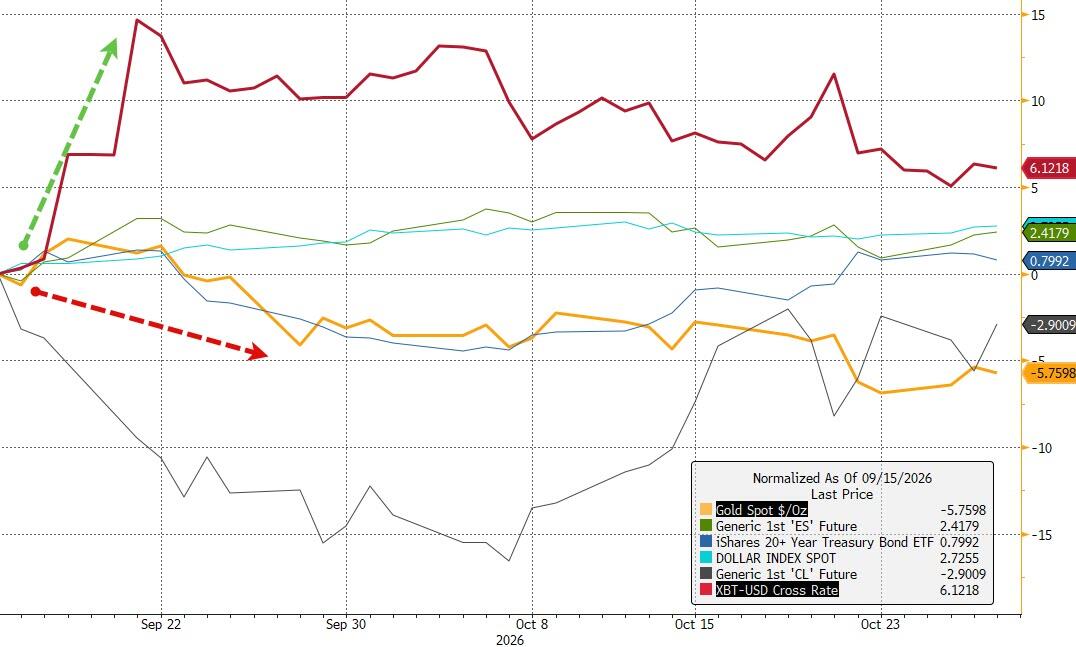
The US dollar's recent strength appears well-positioned to endure the turbulence typically associated with US congressional elections. Two structural forces—persistently high interest rates and a pronounced acceleration in artificial-intelligence-related spending—are drawing foreign capital into the greenback at a pace that many analysts believe is sufficient to offset the negative sentiment that political stalemate might otherwise generate.
When the Federal Reserve maintains a restrictive policy stance, the resulting yield premium on dollar-denominated assets continues to attract both institutional and retail investors seeking relative safety and competitive returns. This rate-driven inflow provides a foundation of demand that is largely independent of the political cycle in Washington.
Midterm Gridlock as a Secondary Risk
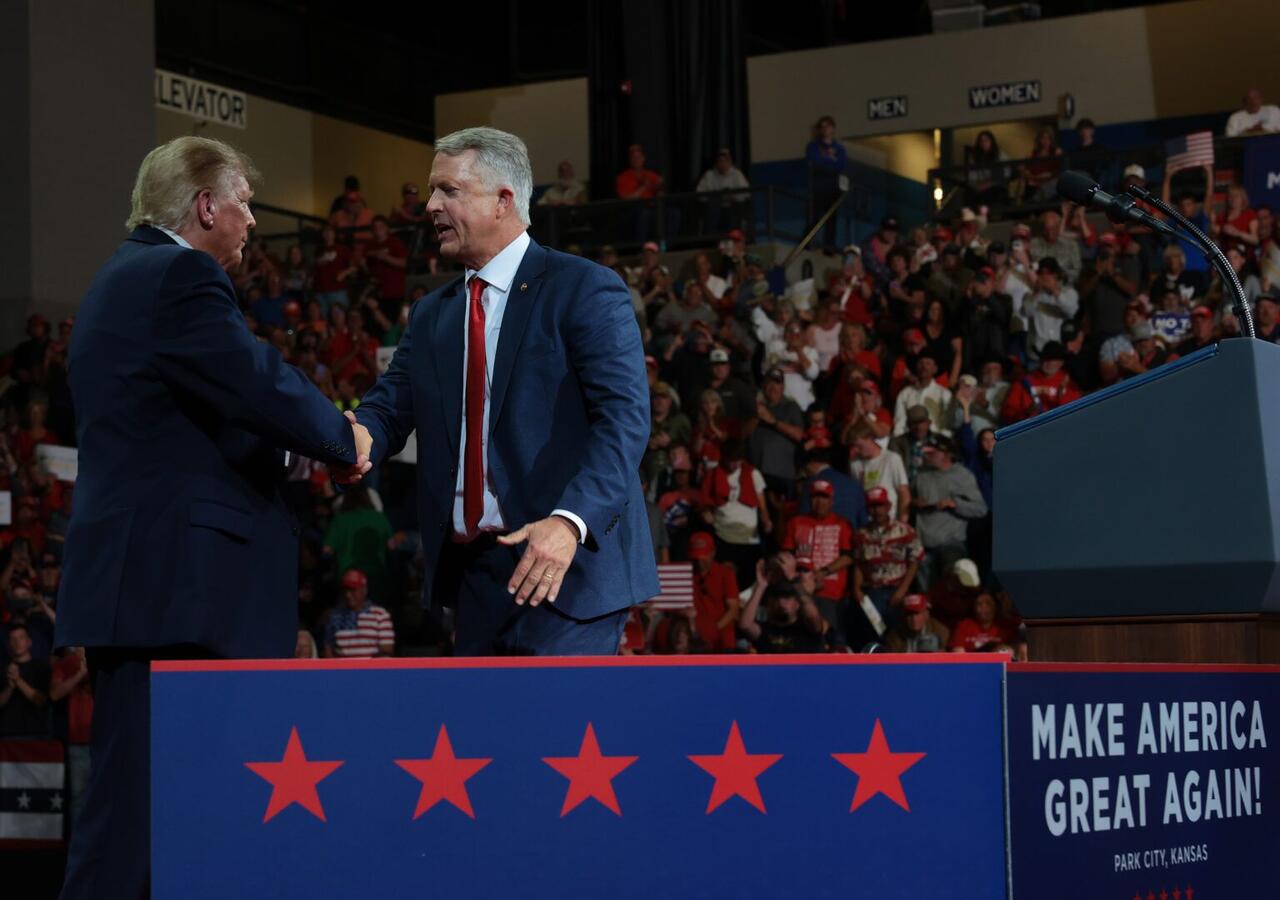
Historically, midterm elections in the United States have introduced a layer of fiscal and regulatory uncertainty that can weigh on the currency. A divided Congress—where no single party commands a clear majority in both chambers—tends to slow legislative progress, prolong budget negotiations, and heighten the risk of government-shutdown scares. Such dynamics can erode foreign confidence in the stability of US public finances and, by extension, in the dollar itself.
However, market participants are increasingly viewing the current rally as anchored in macroeconomic fundamentals rather than in the political calendar. The implication is that even a worst-case scenario of legislative paralysis in Washington may prove insufficient to reverse the broader capital flows that have been building over recent months.
AI Spending as an Additional Tailwind
Beyond the rate differential, a second pillar of dollar support is the rapid expansion of investment tied to artificial intelligence. Corporations and sovereign funds are channeling significant capital into data-center construction, semiconductor supply chains, and related technology infrastructure, much of which is denominated in or settled through US-dollar instruments. This wave of AI-linked expenditure is broadening the base of dollar demand beyond traditional fixed-income investors and into the real-economy and equity segments of global markets.
The combined effect of these two forces—rate-driven carry and AI-driven growth investment—creates a dual engine of capital attraction that is difficult for a single political event to derail. As the midterm vote approaches, the prevailing view in currency markets is that the dollar's rally carries enough structural momentum to ride out the expected political friction, keeping the currency supported even in a gridlocked legislative environment.