Gold Holds Steady as Markets Digest Midterm Fallout
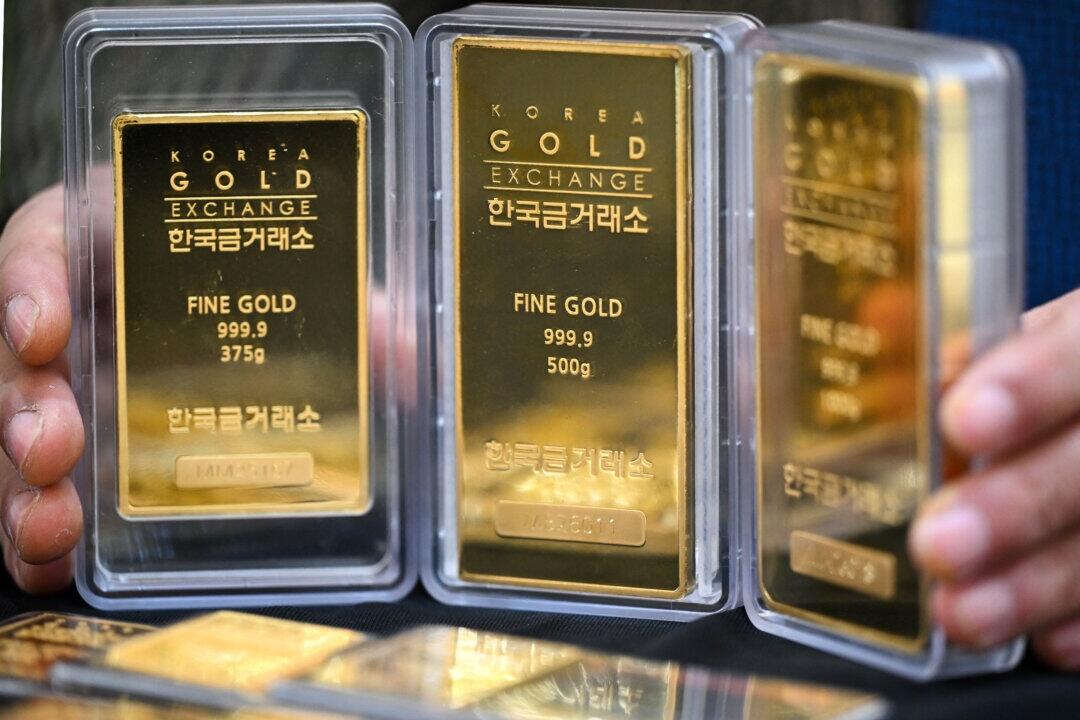
Gold prices sat essentially unchanged during the early Asian trading session, pausing after a short-lived rebound that had lifted the precious metal in the hours following the U.S. midterm elections. The pause reflects a period of consolidation among traders who are still processing the full market implications of the election outcome.
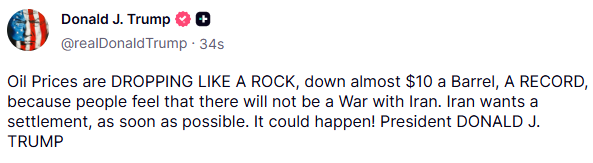
In the immediate aftermath of the vote, risk sentiment shifted noticeably. Crude oil prices slipped, and the U.S. dollar index softened, both of which are conditions that typically provide tailwinds for gold. The inverse relationship between the greenback and bullion is one of the most well-known dynamics in the precious-metals market: when the dollar weakens, gold becomes cheaper for holders of other currencies, and vice versa. The simultaneous dip in oil added another layer of support for the metal, as lower energy costs can reduce inflation expectations and ease the urgency for gold as a hedge.
How the Midterms Reshaped the Cross-Asset Picture
U.S. midterm elections have historically introduced a degree of policy uncertainty that ripples through commodity and currency markets. Even when the outcome is not immediately transformative, the mere signal of a shifted congressional balance can prompt investors to reprice their expectations around fiscal policy, trade stances, and regulatory direction. In this instance, the post-election window produced a brief reallocation: energy contracts lost ground, the dollar trimmed its recent gains, and gold caught a modest bid before stalling.
For market analysts, the flat tone in Asian trade suggests that the initial reaction was more of a reflexive positioning move than a sustained trend. Traders appear to be waiting for clearer signals—whether in the form of policy statements, economic data releases, or further congressional action—before committing to a directional view on the metal.
What Traders Should Watch Next
With the short-term momentum having faded, the coming sessions will likely hinge on whether the dollar's softening extends or reverts. A continued decline in the dollar index would keep the door open for gold to resume its upward drift, while a dollar recovery could cap further gains. Oil's trajectory also matters: sustained weakness in crude would reinforce the lower-inflation narrative that supports real-yield-sensitive assets like gold, whereas a bounce in energy prices could tighten the macro backdrop.
For forex and commodities desks, the key takeaway from the Asian session is one of equilibrium. The post-midterm shock has been absorbed without a dramatic repricing, and the market is now in a watch-and-wait mode. Until fresh catalysts emerge, gold is likely to remain range-bound, with traders calibrating their positions around the next wave of U.S. economic data and any early legislative signals from the new congressional makeup.