FBI Confirms North Korean Involvement in $6 Billion Binance Heist
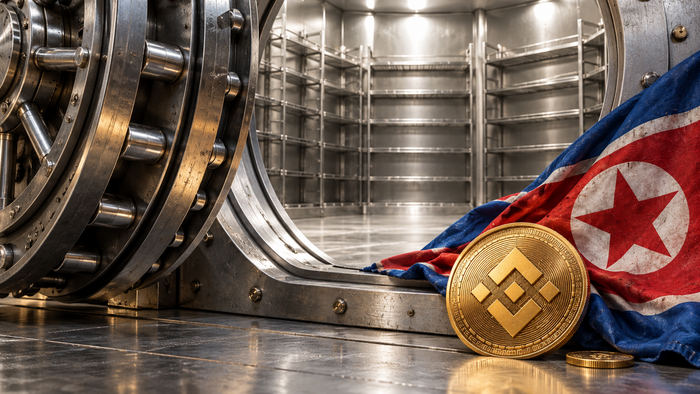
The Federal Bureau of Investigation has officially confirmed that North Korea played a role in what is now described as a $6 billion hack targeting Binance, one of the world's largest cryptocurrency exchanges. The confirmation marks a significant escalation in the ongoing investigation and underscores the severe threat that state-sponsored cybercriminals pose to the broader digital asset ecosystem.
For traders and investors, the FBI's confirmation serves as a critical red flag. The sheer scale of the theft — six billion dollars — highlights the vulnerability of even the most prominent platforms in the crypto space and raises urgent questions about the security of digital assets held across the industry.
DeFi Community Urged to Block Stolen Crypto Addresses
In a direct appeal to the decentralized finance community, the FBI has requested that participants actively block a series of wallet addresses associated with the stolen funds. The agency's notice specifically identifies addresses across three major blockchain networks: Bitcoin (BTC), Ethereum (ETH), and Solana (SOL).
From a scam-alerts perspective, this is a clear warning to anyone interacting with DeFi protocols, decentralized exchanges, or yield-farming platforms. If your wallet or smart-contract interactions involve any of the addresses listed in the FBI's notice, there is a material risk that you are inadvertently facilitating the laundering or movement of stolen assets. Traders are advised to cross-reference their transaction history and any addresses they have interacted with against the FBI's published list as soon as possible.
Scale of the Address Network Exceeds FBI Listings
While the FBI's public notice enumerates hundreds of individual addresses, blockchain analytics firm Chainalysis has indicated that the picture is considerably larger than what the agency has made public. According to Chainalysis, the Binance attackers have already deployed "thousands of addresses" in the course of moving and obscuring the stolen funds.
More alarmingly, Chainalysis projects that this number will continue to grow as the threat actors work to fragment and obfuscate the trail of the stolen cryptocurrency. This expanding network of addresses means that the risk to the DeFi ecosystem is not static but actively worsening.
For individual traders, the practical implication is clear: the window to identify and avoid tainted addresses is narrowing as the network grows. Staying informed, monitoring official FBI advisories, and exercising caution when interacting with unfamiliar wallet addresses are no longer optional best practices — they are essential safeguards in the face of what appears to be one of the largest coordinated thefts in crypto history.