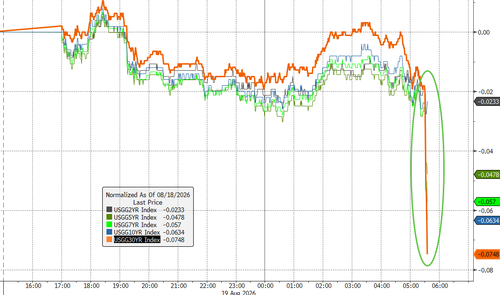
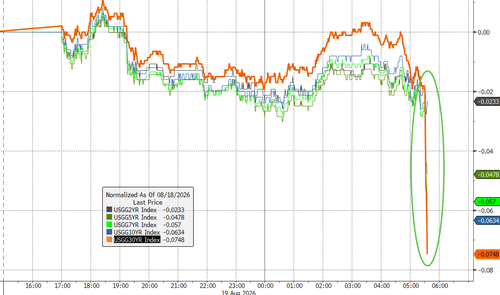
Minneapolis Fed President Neel Kashkari downplays concerns about climbing Treasury yields, noting market resilience after Treasury Secretary Scott Bessent unveiled a long‑term debt repurchase plan.
Friday’s cotton futures largely unchanged after early gains, with October contracts up 56 points. Export commitments for the 2026/27 season rose 31% year‑over‑year to 4.235 million RB.
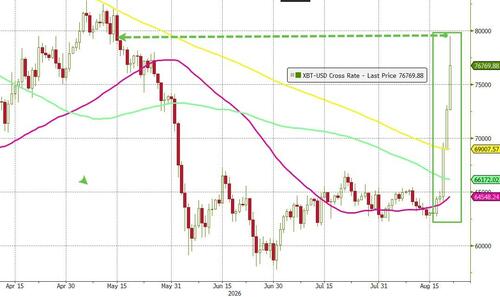
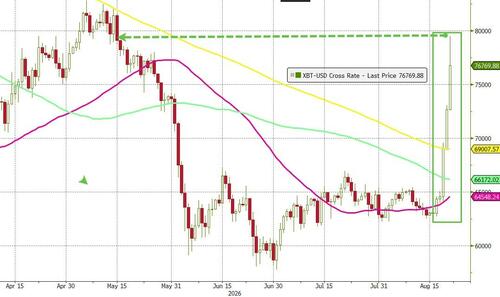
U.S. equities edged higher as oil prices steadied and Bitcoin surged, but gains were offset by weak chip and AI stocks and rising Treasury yields amid Middle‑East tensions.
In July, Japan’s consumer price index rose to 1.9%, the highest level this year, driven by a sharp rise in energy prices and a notable jump in fresh‑food costs, while core inflation settled at 1.8%.
U.S. markets fell on Thursday, with the S&P 500, Dow and Nasdaq sliding to 2‑week lows amid rising crude prices and a split Fed signal. Inflation worries and higher yields weighed on sentiment.
The U.S. dollar weakened after the Treasury announced larger purchases of long‑dated bonds, while precious metals rallied sharply, pushing gold to its highest level in two and a half months.
Asian currencies showed a mixed performance against the U.S. dollar, with analysts suggesting that a recent U.S. Treasury Department announcement to increase its long‑term bond repurchase program could support the region’s currencies.
Asian equities climbed on evidence of easing U.S. inflation and a retreat in crude prices, reinforcing expectations that the Federal Reserve will hold rates steady at its next policy meeting.
Rising prices are sparking a wave of criticism toward the Japanese government while simultaneously heralding a shift from prolonged deflation to a more dynamic economy, according to Bloomberg correspondent Shery Ahn.
Gold prices steadied around $4,400 per ounce while investors evaluated the Federal Reserve’s future rate path and the chances of reopening the Strait of Hormuz.