Four ASEAN Nations Formalize Local Currency Settlement Framework
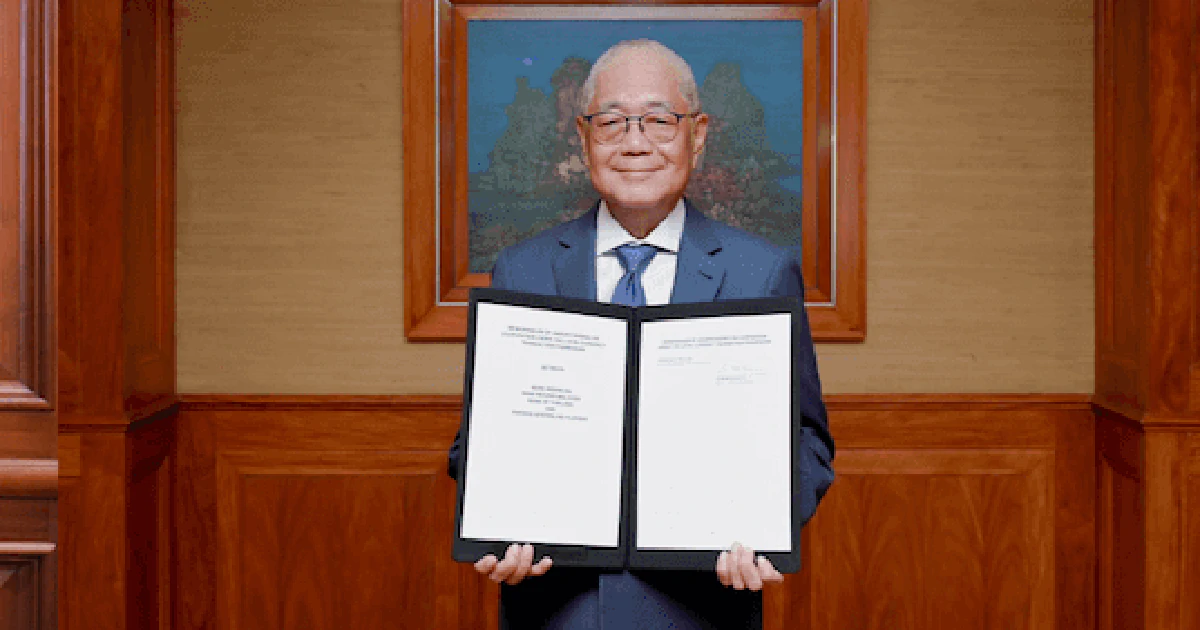
The central banks of Malaysia, Indonesia, Thailand, and the Philippines have signed a Memorandum of Understanding (MoU) designed to broaden the use of domestic currencies in cross-border settlements. The agreement, announced by the Bank Negara Malaysia (BNM) on November 13, represents a concrete step toward deeper financial integration across the Association of Southeast Asian Nations (ASEAN) bloc.
According to reporting by Business Today Malaysia, the move is part of a broader push by ASEAN economies to shore up their resilience and make cross-border commerce smoother and less costly. The expanded cooperation framework explicitly encourages wider adoption of local currencies in both trade settlement and regional investment flows.
Reducing Dollar Dependence and Cutting Transaction Costs
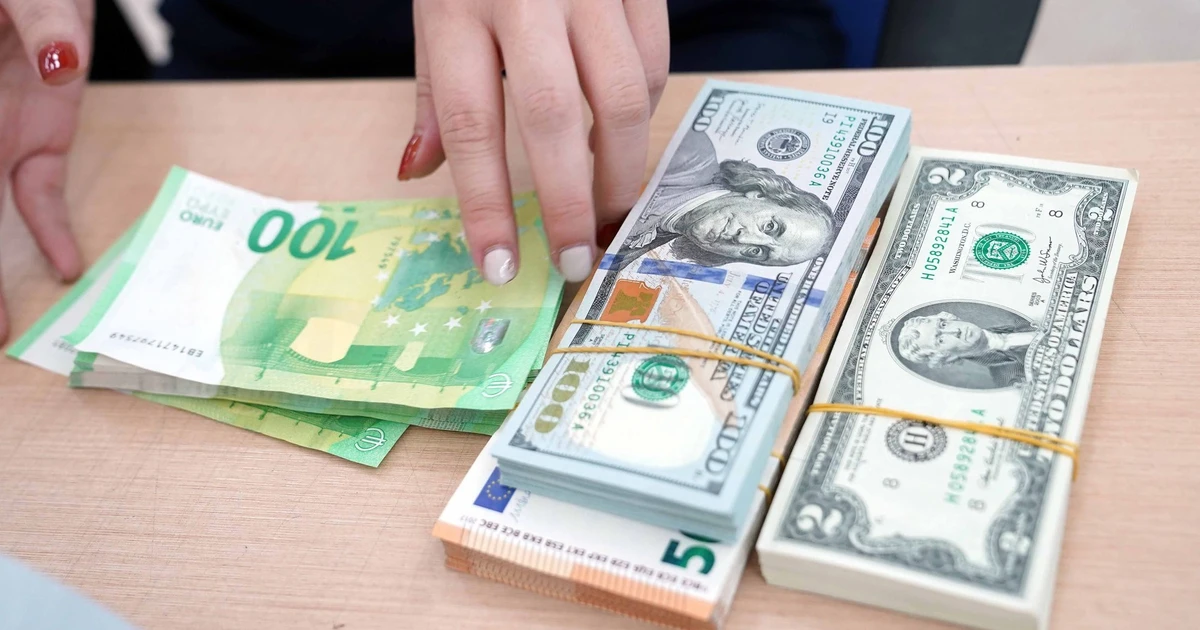
Under the new arrangement, businesses operating across the four markets will be able to settle valid commercial transactions without first converting their currencies through a dominant international reserve currency such as the US dollar. By eliminating that intermediary conversion step, the initiative is expected to lower transaction costs and improve the overall efficiency of payment processing for firms active in the region.
Beyond cost savings, the MoU is projected to give companies and other market participants greater flexibility in managing foreign-exchange risk. This is particularly relevant for businesses exposed to the sharp volatility of major global currencies, which can erode margins on intra-regional trade.
Regional analysts note that the timing is especially apt: Southeast Asian firms are actively working to strengthen supply-chain linkages and expand intra-ASEAN trade amid a global economic environment marked by persistent uncertainty. The local-currency framework offers a practical tool to insulate those trade flows from external currency shocks.
Paving the Way for Deeper Regional Financial Integration
The four central banks also reaffirmed their joint commitment to continue developing and rolling out the Local Currency Transaction (LCT) framework. Wider uptake of domestic-currency settlement is seen as a building block for more effective regional payment mechanisms and for enhancing the safety and reliability of cross-border financial transactions.
Officials and industry observers expect the expanded framework to reinforce financial connectivity among the four economies and to serve as a sturdy launchpad for the region's longer-term ambition of achieving deeper trade and investment integration. The Philippines, in particular, is set to host the 49th ASEAN Summit in Manila in November, and the presidency confirmed that the US President is expected to attend, underscoring the summit's significance for advancing the bloc's economic agenda.
Taken together, the MoU signals that ASEAN central banks are moving from principle to practice on local-currency settlement, a shift that could gradually reshape the currency landscape of one of the world's fastest-growing trade regions.