Supply Surplus Pressures Weigh on Crude
Oil prices modestly declined during the session as market participants weighed a growing global supply surplus against the backdrop of persistent geopolitical friction in the Middle East. The dominant driver of the day's softness was the prospect of ample barrels coming to market, a factor that has been capping upside for crude even in the face of elevated regional risk.
Traders and analysts tracking the energy complex pointed to the structural oversupply picture as the key headwind. When global production and exports outpace demand growth, the natural price response is downward pressure, and that dynamic appeared to dominate sentiment on the day.
Middle East Tensions Provide a Floor, Not a Ceiling
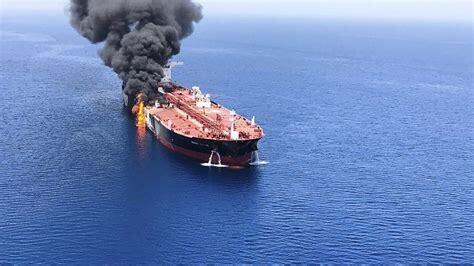
At the same time, the same geopolitical environment that is not enough to push prices higher is also acting as a constraint on how far they can fall. Ongoing tensions across the Middle East introduce the possibility of sudden supply disruptions—whether through shipping chokepoints, production outages, or broader regional escalation—that could quickly tighten available barrels.
This dual dynamic creates a narrow trading range for crude: surplus conditions suppress rallies, while the ever-present risk of a supply shock limits downside. For market participants, the practical implication is that oil is likely to trade in a compressed band until one of the two forces decisively tips the balance.
What This Means for Traders and Market Positioning
From a risk-management perspective, the current setup calls for caution on both sides of the trade. Bulls cannot rely solely on geopolitical headlines to justify aggressive long positions when the fundamental supply picture is tilted toward excess. Conversely, bears should be mindful that a single escalation event in the region could invalidate short theses almost overnight.
The broader takeaway for the energy market is that the balance between macro supply fundamentals and geopolitical risk will continue to dictate price direction in the near term. Until the surplus is absorbed by either stronger demand or reduced production, or until a concrete supply disruption materializes in the Middle East, oil is likely to remain range-bound with modest daily moves.
Market watchers will be monitoring regional developments and production data in the coming sessions to gauge which side of the equation is gaining traction.