The Scale of Crypto Fraud Exposed
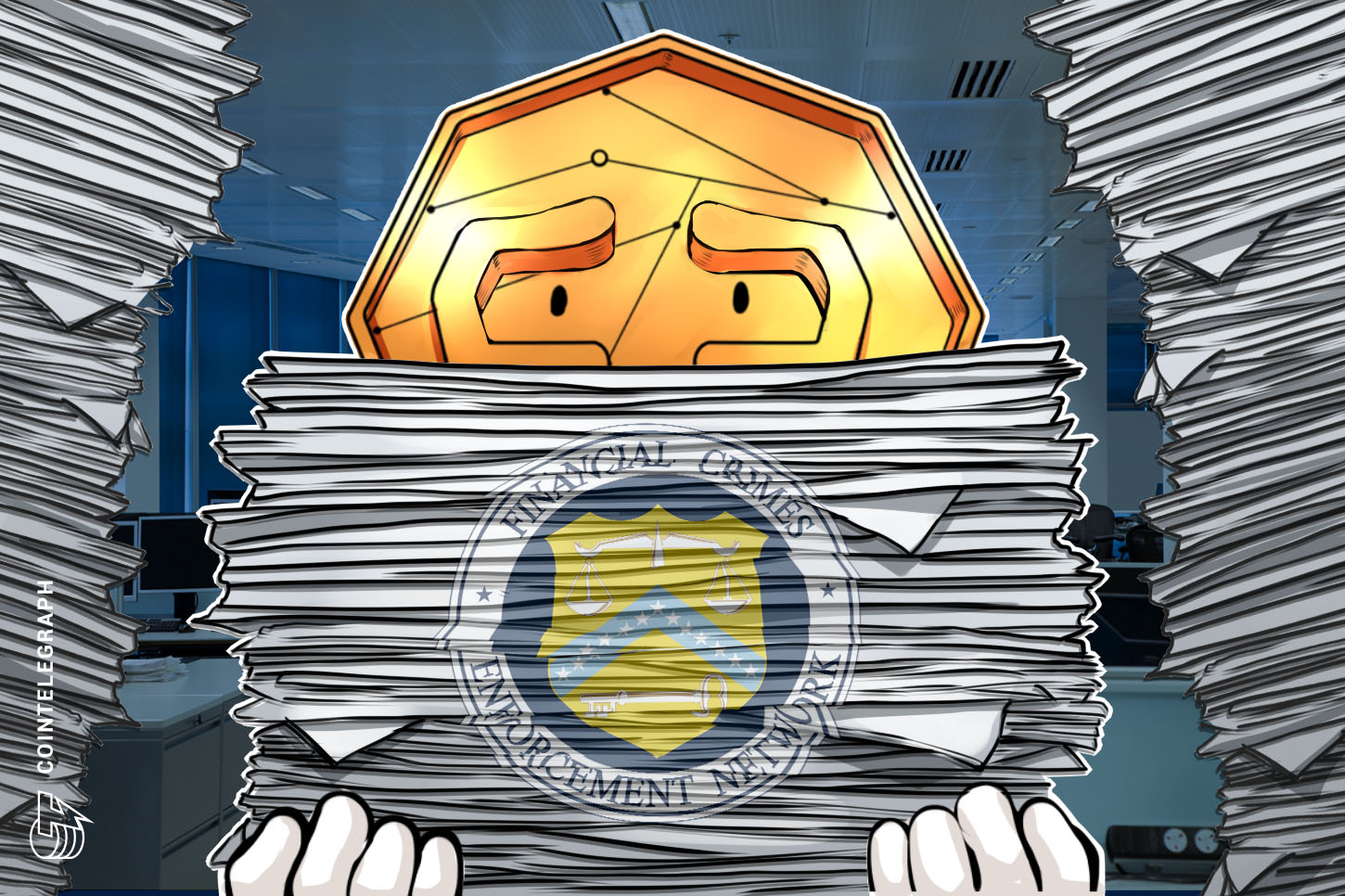
The US Department of the Treasury's Financial Crimes Enforcement Network (FinCEN) has published a report revealing that approximately $12.7 billion in cryptocurrency transactions were driven by what the agency describes as "overseas scam centers." The findings, released on Thursday, stem from an analysis of more than 33,000 suspicious-activity reports filed between September 2023 and December 2025.
Gene Lange, who is performing the duties of Under Secretary for Terrorism and Financial Intelligence, underscored the urgency of the issue, stating that digital asset investment scams represent "one of the most significant fraud threats facing Americans today." For traders and retail investors, the sheer volume of the figure — close to $13 billion — underscores how deeply embedded fraudulent schemes have become in the crypto ecosystem.
Tactics Used by Scam Operators
According to FinCEN, the illicit activity was largely orchestrated by "transnational criminal organizations" operating out of compounds in Southeast Asia. The report identifies several recurring scam types among the transactions analyzed:
- Pig butchering schemes, in which fraudsters build long-term trust with victims before steering them into fake crypto investment platforms.
- Romance scams, where emotional manipulation is used to extract funds or cryptocurrency from targets.
- Cryptocurrency confidence schemes, in which victims are lured by false promises of outsized returns and pressured to invest in digital assets that are either fraudulent or nonexistent.
From a risk-management standpoint, these patterns highlight a critical warning: unsolicited contacts promising high-yield crypto opportunities, whether through social media, dating apps, or Telegram groups, should be treated as red flags. The coordinated, organized nature of the operations means individual victims are often part of a much larger, industrial-scale fraud network.
Legislative Crackdowns in Affected Countries
Lawmakers in the Southeast Asian nations hosting the scam compounds have begun moving to criminalize the operations. In July, Myanmar's Parliament passed legislation that could carry a sentence of up to life in prison for individuals who use violence, torture, or unlawful arrest and detention to compel people into participating in the scams. In Cambodia, lawmakers proposed a comparable bill in April that also introduces potential prison terms for those involved in running such centers.
While these legislative steps signal growing political will to dismantle the infrastructure behind the fraud, FinCEN's report makes clear that the threat to US-based investors remains acute and that enforcement across borders is an ongoing challenge.
Key Takeaways for Traders and Investors
For anyone active in the forex or crypto markets, the FinCEN findings serve as a stark reminder of the fraud landscape. Key points to internalize:
- Verify every trading platform, token, or investment offer through independent, regulatory sources before committing funds.
- Be highly skeptical of any contact who initiates a conversation with a "guaranteed return" pitch, particularly through social or messaging apps.
- Report suspected scams to FinCEN or your local financial regulatory body; the 33,000-plus reports analyzed in this study were only possible because individuals filed them.
- Understand that the operators behind these schemes are organized criminal networks, not isolated individuals, meaning the tactics are sophisticated, scalable, and designed to exploit trust.
The $12.7 billion figure is not an abstraction — it represents real losses for real people. Staying informed, skeptical of unsolicited opportunities, and reporting suspicious activity remain the most effective defenses for individual market participants.