A 5 Billion VND Overnight Heist
At the close of last year, a Vietnamese depositor lost 5 billion VND in a single night after engaging with a Facebook profile that claimed to belong to a bank employee offering a premium savings rate. The victim maintained that she never authorized any transaction. Yet by morning, eleven unauthorized debit entries totaling the full 5 billion VND had drained her account, triggering a bitter dispute between the customer and her bank.
The incident is not isolated. Police authorities across multiple provinces and cities have issued a steady stream of public warnings in recent months, alerting residents to high-tech fraud rings that operate under the pretense of offering lucrative deposits and financial investment opportunities.
The Mechanics of the Fraud
According to law enforcement, the typical playbook begins with a scammer posing as a representative of a bank or a consumer-finance company. The impostor then sends a fabricated link and pressures the target into installing an application of unknown provenance. In other variants, the fraudster simply asks for the victim's e-banking username, password, one-time PIN (OTP), transaction confirmation codes, and card details. Once that data is in hand, the criminal can seize full control of the account and siphon out the balance.
More organized operations go further. Some rings build look-alike websites and mobile apps that mimic the branding of well-known credit institutions. They invite the target to wire funds into a personal bank account or to enroll in a fictitious savings or investment package. To establish credibility, the ring may honor interest payments on a small initial deposit for a few cycles. Once trust is secured, the operator lures the victim into committing a far larger sum and then vanishes with the money.
Even seemingly innocuous materials can be vectors. Police have noted that QR codes printed on counterfeit flyers and promotional handbills can redirect the scanner to a phishing site or to the phone number of an individual impersonating a bank officer.
Why Negotiated Rates Are Fueling the Problem
The backdrop for much of this activity is a fiercely competitive deposit-gathering environment. Negotiated interest rates—arranged directly through a bank staff member and typically 2 to 3 percentage points above the publicly posted schedule—have become increasingly common as institutions scramble to retain and attract funding.
On social-media groups and messaging platforms, a growing number of accounts present themselves as bank employees and advertise savings rates above the official board. While a genuine referral code can legitimately unlock a higher rate, the channel itself creates a risk surface: a depositor who has never met the other party in person has no easy way to verify whether the account is real, whether the promised rate actually exists, or whether the "employee" is in fact a criminal.
Banks themselves have acknowledged that financial fraud on social networks is growing in sophistication, with the impersonation of bank staff to pitch above-market rates now a recognized tactic in their risk assessments.
Practical Steps to Protect Your Savings
Both banking institutions and police authorities converge on a consistent set of warnings for anyone considering an online or negotiated deposit:
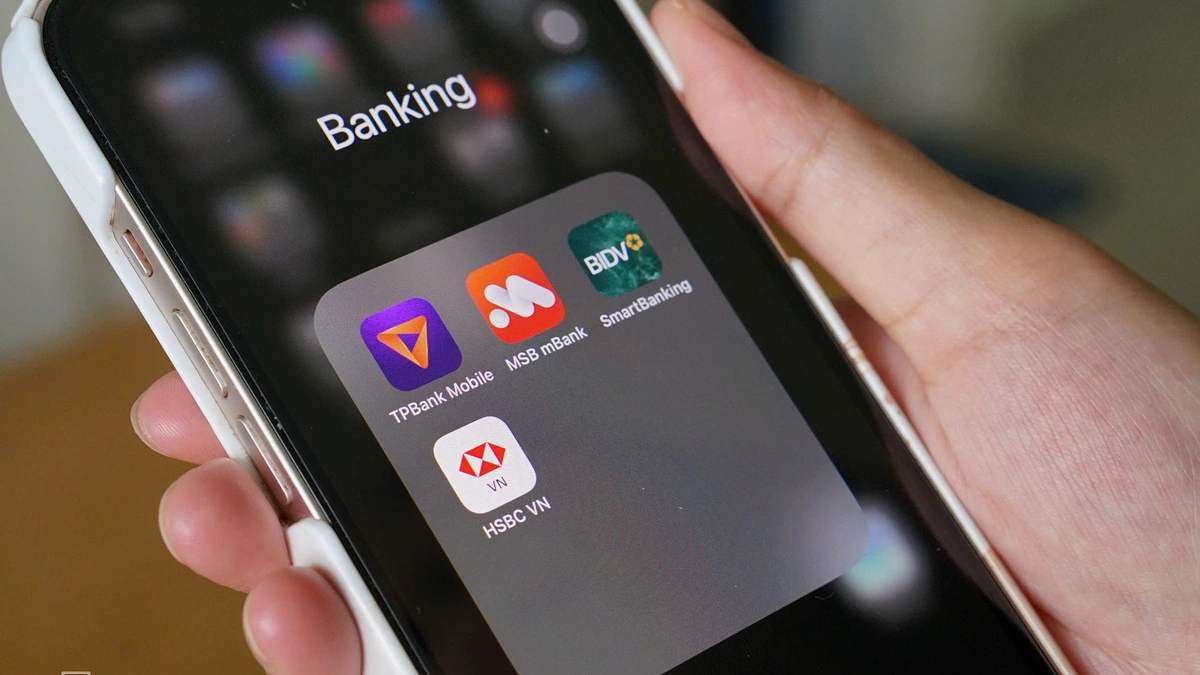
- Download only from official app stores. Whether you are opening a new account or making a direct deposit, install the bank's application exclusively through the App Store or Google Play. Never open a banking link that arrives via a social-media message, e-mail, or text from a stranger.
- No legitimate employee will ever ask for your credentials. Under no circumstances should a bank representative request your password, OTP, card number, or any other security code. Equally, no bank employee will ask you to transfer funds into a personal account rather than a corporate or institutional account.
- Treat abnormally high rates with suspicion. If the quoted rate looks dramatically better than anything posted on the bank's official website, pause and verify directly through the bank's published contact channels before proceeding.
- Avoid unknown apps and QR codes. Do not install software sent by an unverified contact, and do not scan QR codes on unsolicited flyers or printed materials without confirming their source.
The core principle, as restated by both banks and law-enforcement agencies, is simple: every step of an online deposit—from account creation to rate negotiation to final confirmation—can and should be completed entirely within the bank's own verified application. Anyone who asks you to step outside that environment is, at best, a red flag and, at worst, a criminal.