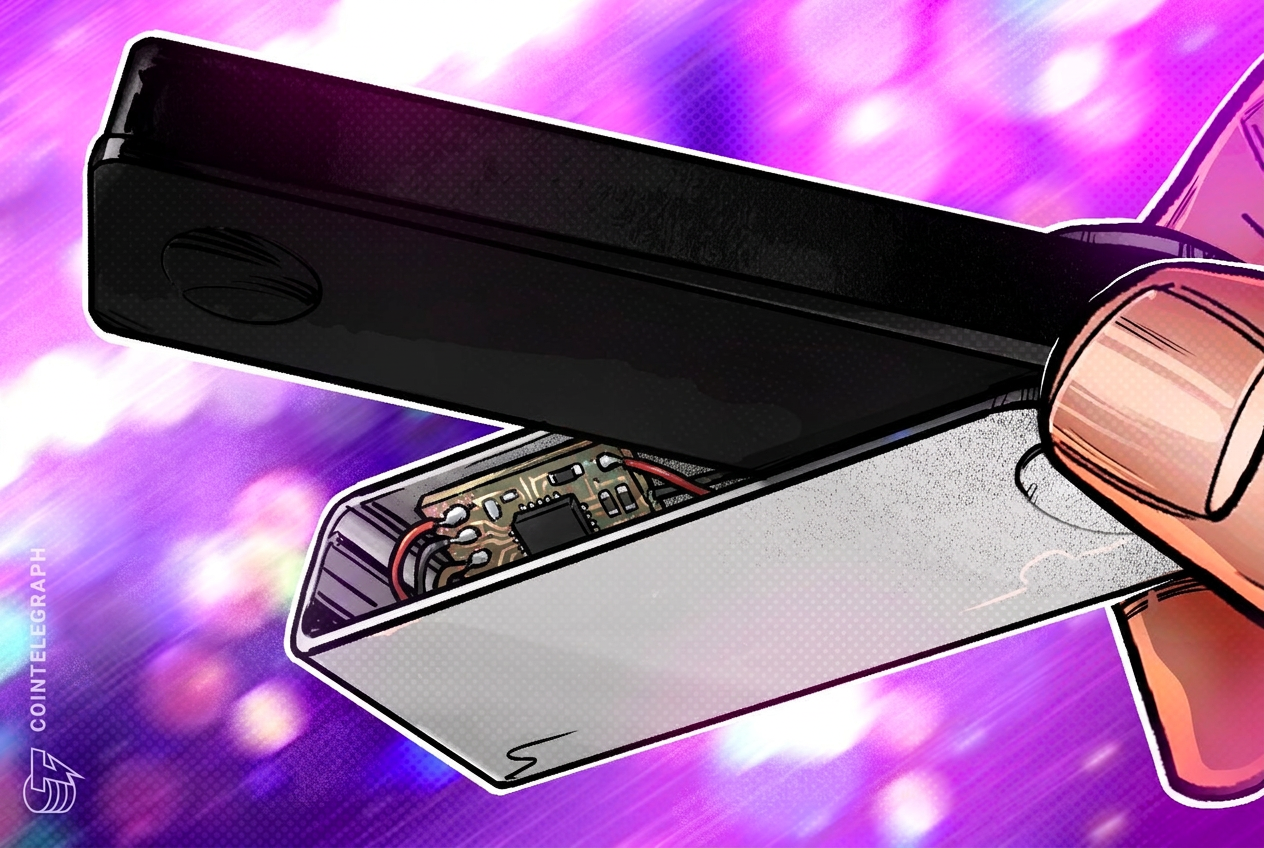
Tampered Device Confirmed: An Unauthorized Chip Inside a Ledger Wallet
Hardware wallet manufacturer Ledger has officially verified that at least one device linked to a series of crypto thefts contained an unauthorized hardware implant. The company disclosed the finding in a Saturday post on X, marking a critical escalation in what began as a report of suspicious fund losses tied to a regional reseller.
The implant represents a physical tampering of the device, meaning the hardware itself was compromised before it ever reached the end user. For traders relying on offline storage as a primary security layer, this is a particularly concerning vector: a subtle, hidden component can intercept or redirect private key operations without the owner's knowledge. Ledger emphasized that its own infrastructure, cloud services, and production systems were not breached. The compromise, the company stated, appears confined to the single reseller channel and its geographic market.
Scope of the Compromise and Financial Exposure
Cryptocurrency investigator Specter has estimated that the total value drained across affected wallets may exceed $86 million, spanning Bitcoin, Ethereum, and Tron assets. Ledger has not publicly confirmed the number of impacted customers or the precise dollar figure of the losses, noting that its internal investigation is still active.
The reseller at the center of the incident, CryptoBilis, was listed as an authorized Ledger partner operating in Indonesia, Malaysia, and the Philippines. Following the disclosure, CryptoBilis confirmed it had suspended all hardware wallet sales pending the outcome of the investigation. Ledger said it is maintaining active communication with the reseller regarding next steps and remediation.
Ledger has also opened a channel for anyone with relevant information to reach out through its bounty program at bounty@ledger.fr, signaling that the company is treating the incident as a potential criminal matter requiring outside intelligence.
Urgent Steps Traders Must Take
Ledger issued specific guidance for customers who purchased a device through the affected reseller:
- If you have not yet initiated setup, do not proceed. Leave the device unconfigured and contact Ledger support through official channels at support.ledger.com before any further action.
- If the device has already been set up, treat it as compromised. Ledger recommends migrating all assets to a fresh Ledger signer and generating a completely new seed phrase. Reusing the original recovery seed on any other device is not advisable.
These steps are critical because a hardware implant could have captured the private key or seed during the initial pairing and signing process. Simply transferring funds out through the compromised device may expose the keys to the implant.
Broader Risk Signals and What It Means for Hardware Wallet Users
While Ledger stressed that the incident is isolated to one reseller and one market, the episode underscores a recurring scam-alert theme: the supply chain is a vulnerable link in any self-custody strategy. Traders who source hardware wallets from secondary markets, unofficial distributors, or regional resellers outside the manufacturer's direct channel face elevated tampering risk.
Key takeaways for risk-aware traders:
- Verify the purchase channel. Buy directly from the manufacturer or a verifiable first-tier retailer.
- Inspect the physical device and packaging for signs of tampering before unboxing.
- Generate and store your seed phrase in a completely secure, offline environment after setup.
- Treat any unexpected transaction behavior, delayed signatures, or firmware prompts as red flags.
- Keep a documented record of your device's serial number, purchase date, and source for potential claims or law-enforcement reporting.
Ledger's confirmation that its own systems remain intact is a positive signal for the broader user base, but the physical-implant vector reminds traders that no software update or firmware patch can protect against hardware that has been altered before it reaches their hands. Until the investigation concludes and the full scope of affected units is known, caution is the appropriate posture for anyone who sourced a Ledger device from the Indonesian, Malaysian, or Philippine reseller network.