The Exploit and Immediate Market Reaction
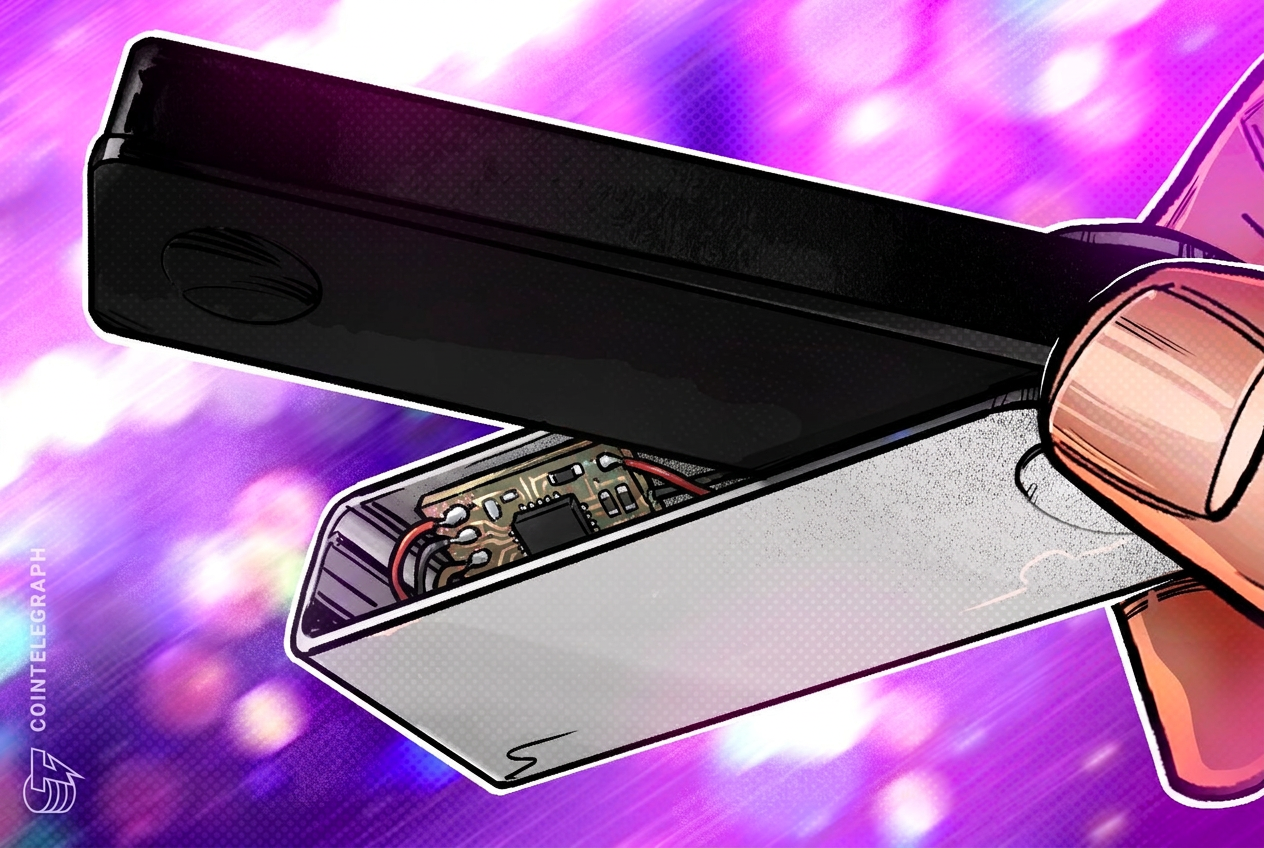
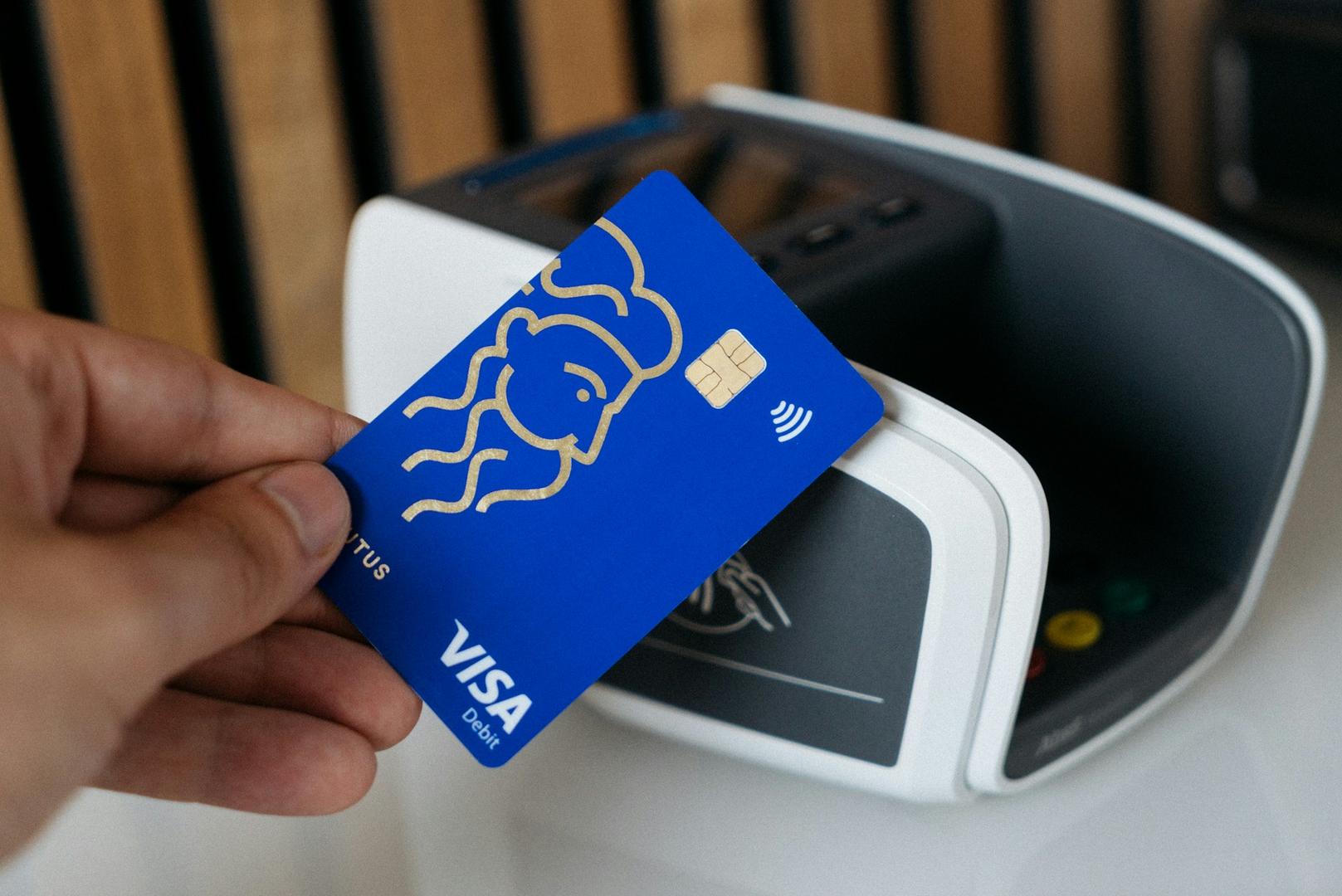
A security breach involving a neobank's crypto card infrastructure resulted in the theft of approximately $1.1 million, according to reporting by CoinDesk. The incident triggered a sharp sell-off in the institution's associated digital asset, the AVICI token, which shed 49% of its value measured from its 24-hour high. The token subsequently touched a record low before clawing back a portion of the losses in the hours that followed.
The speed and severity of the price drop illustrate how quickly a single security failure at a platform level can translate into direct financial harm for token holders. In this case, the exploit did not target individual wallets or exchange accounts; it struck the card system itself, meaning the vulnerability was embedded in the neobank's core product rather than at the periphery.
Risk Warnings for Traders Holding Neobank-Tied Tokens
From a risk-management standpoint, the AVICI incident raises several concerns that traders should weigh before allocating capital to tokens linked to digital banking or fintech platforms:
Concentration of smart-contract and infrastructure risk. When a token's value is tethered to a single operating entity, any breach of that entity's systems becomes an instant market event. Unlike holding a broad index or a decentralized protocol token spread across many validators, a neobank token concentrates counterparty risk in one organization.
Liquidity and panic selling. A 49% intraday drop from the 24-hour high, followed by a record low, suggests that sell orders overwhelmed available buy liquidity almost immediately. Traders who attempted to exit during the initial cascade likely faced wide spreads and slippage.
Recovery is not guaranteed. While AVICI pared back some of its losses after hitting the low, the partial rebound does not signal that the underlying security issue was resolved. Post-hack price stabilization can reflect short-term sentiment rather than a confirmed fix.
Due-diligence gap. Many retail traders evaluate tokens on chart patterns and social sentiment without auditing the security architecture of the issuing platform. A crypto card system, by design, handles private keys and transaction signing at scale, making it a high-value target for attackers.
Key Takeaway
The $1.1 million loss and the resulting 49% token crash serve as a concrete example of platform-level risk in the broader crypto ecosystem. Traders holding or considering AVICI or similar neobank-associated tokens should monitor the institution's post-incident disclosures, verify whether the exploited code path has been patched, and maintain position sizes that can absorb a repeat of a single-day 49% drawdown without triggering a margin call or portfolio liquidation.