Cotton Futures Post Broad Gains in Tuesday Session
The cotton market closed higher across the board on Tuesday, with most active contracts recording advances in the range of 8 to 77 points. The breadth of the rally — with gains spanning the entire contract ladder — suggests that buying interest was not confined to a single delivery month but reflected a more generalized shift in market positioning.
From a trading perspective, the breadth of the move is noteworthy. When gains are distributed across multiple maturities rather than concentrated in one or two contracts, it often points to fundamentals-driven demand or a macro tailwind rather than isolated positioning in a single delivery window.
Dollar Softness and Crude Oil Decline Provide a Supportive Backdrop
Two key macro factors appeared to underpin Tuesday's cotton strength. The US dollar index slipped by $0.266 during the session, making dollar-denominated commodities marginally more attractive to international buyers who hold other currencies. A weaker greenback typically serves as a tailwind for agricultural exports, as it lowers the effective cost for foreign importers.
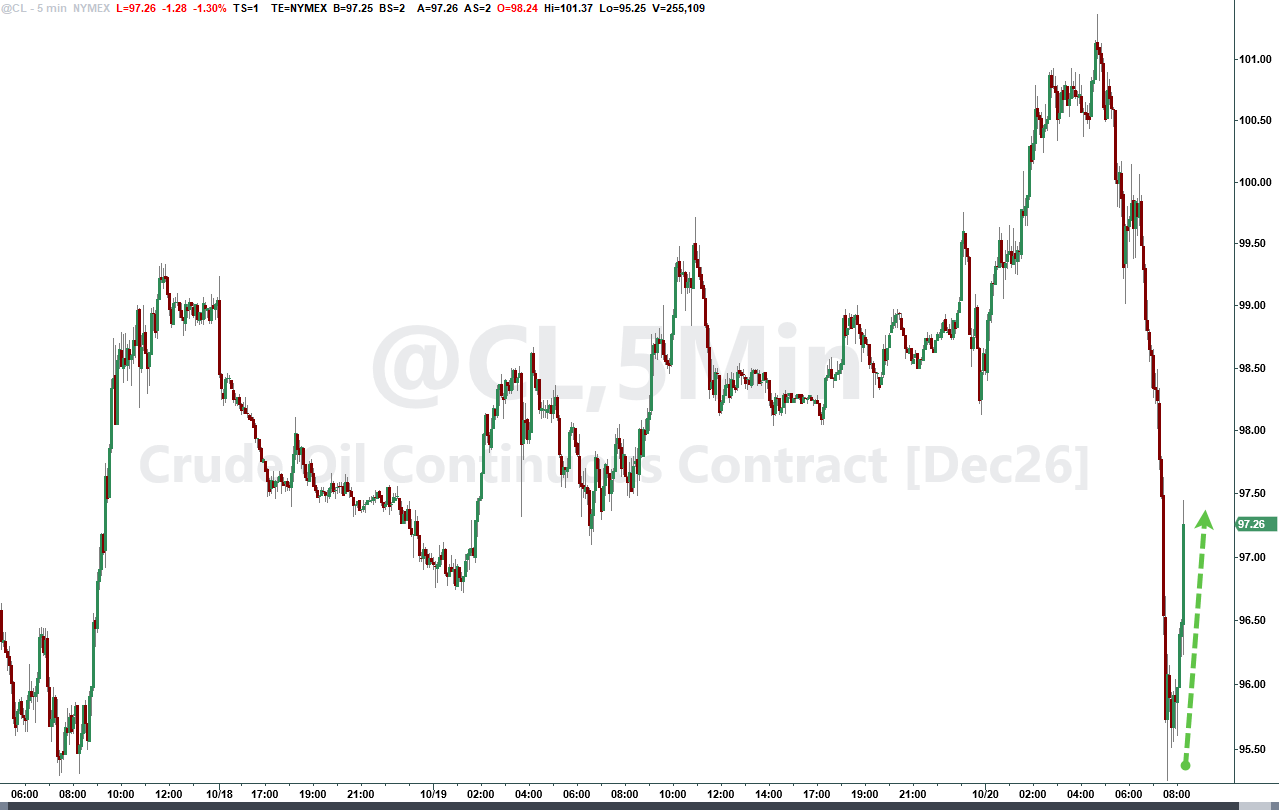
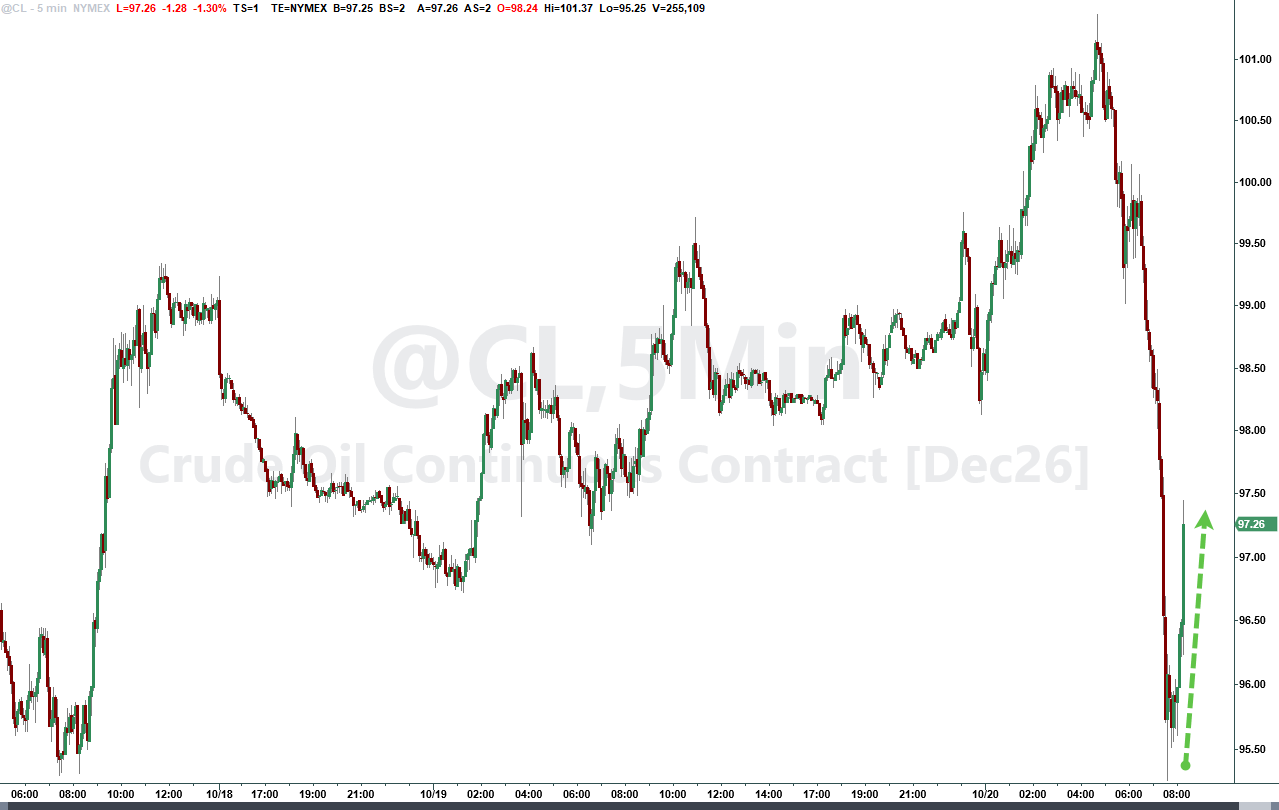
Simultaneously, crude oil prices retreated by $2.57 per barrel over the course of the session. While the direct linkage between oil and cotton is less pronounced than with energy-sensitive crops, the broader risk appetite and input-cost dynamics in the agricultural complex can be influenced by the direction of the energy market. For cotton traders, a falling crude print can reduce the perceived cost pressure on transportation and processing, marginally improving the cost side of the supply chain.
White House Fuel Relief Program Adds Policy Tailwind
Perhaps the most significant catalyst entering Tuesday's session was a policy announcement made late Monday. The White House unveiled a Harvest Fuel Relief Program earmarking $8 billion for agricultural producers. Although the full mechanics of the program were still being detailed at the time of publication, the sheer scale of the funding signaled a direct government commitment to easing fuel-related cost pressures on farming operations.
For the cotton complex specifically, fuel costs represent a meaningful line item in cultivation, irrigation, and transportation. A program of this magnitude, even if not exclusively targeted at cotton growers, reduces overall input-cost uncertainty across the agricultural sector. Traders and analysts tracking the cotton market will likely monitor how the relief funds are distributed and whether they translate into improved margins for producers, which in turn could influence planting decisions and supply outlooks in coming seasons.
Outlook for Traders
The combination of a softer dollar, lower crude, and a high-profile government support package created a constructive environment for cotton prices on Tuesday. Market participants should watch for follow-through in the days ahead: if the dollar continues to drift lower and the fuel relief program gains concrete implementation details, the supportive backdrop for cotton could persist. Conversely, any reversal in the dollar or a hawkish shift in US monetary policy could quickly offset these gains. As always, position sizing and risk management remain essential in a market where macro headlines can shift sentiment within hours.