Gold Tests Lower Bound of Its Range
At 0:30 on October 20, spot gold shed $27 per ounce to settle at $4,139, putting the metal squarely at the bottom of the $4,100–$4,200 corridor it has occupied of late. Converted at the prevailing bank exchange rate, the international benchmark translates to roughly 130.2 million Vietnamese dong per tael. For context, the metal has surrendered approximately 25 percent of its value since the peak recorded at the end of January this year, underscoring how choppy the past several months have been for precious-metal traders.
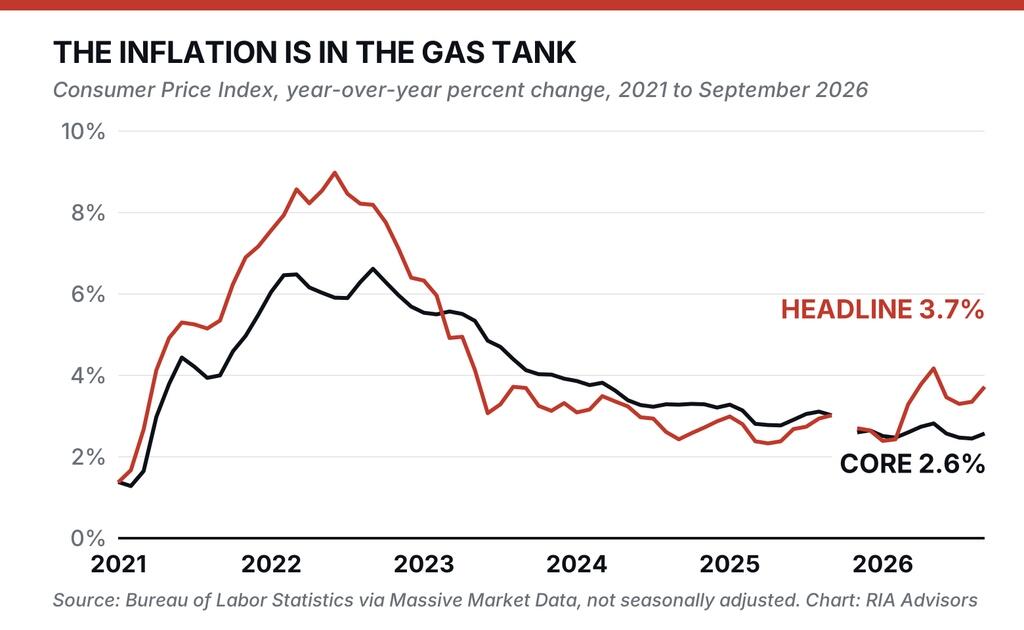
Despite the short-term pullback, the weekly picture remains constructive. Gold finished the previous trading session up $61.1 per ounce, a gain close to 1.5 percent, closing at $4,195.6. That weekly advance came even as a string of headwinds—most notably a U.S. producer-price index print for September 2026 that came in roughly double market expectations and continued inflation pressure in the United States—loomed over the complex. The fact that gold still tagged the $4,200 level by Friday's close, according to analyst Tran Duy Phuong, signals that underlying bid remains robust and that the balance of probability still leans toward the upper end of the range.
Central-Bank Accumulation and the November Setup
Several market strategists expect conditions to improve heading into November, and their thesis rests largely on official-sector demand. Data compiled by the World Gold Council shows that central banks net-purchased an estimated 63 tonnes of gold in September, the largest monthly accumulation since November 2024. China's People's Bank of China (PBoC) added 23 tonnes during the same period, marking its 23rd straight month of net buying. Over the first nine months of 2026, the PBoC's cumulative net purchases stand at 103 tonnes, a pace that continues to reshape the global supply-demand balance.
Beyond official-sector flows, other commentators highlight geopolitical and fiscal risk premia. With U.S. mid-term elections drawing closer, hedging demand is expected to support prices in the final days of October and into early November. Looking further ahead, several analysts see a credible path for gold to print new all-time highs within the next 12 to 18 months, driven by the rapid expansion of U.S. public debt and deteriorating fiscal positions across a number of advanced and emerging economies.
Domestic Vietnamese Gold Premium Stays Elevated
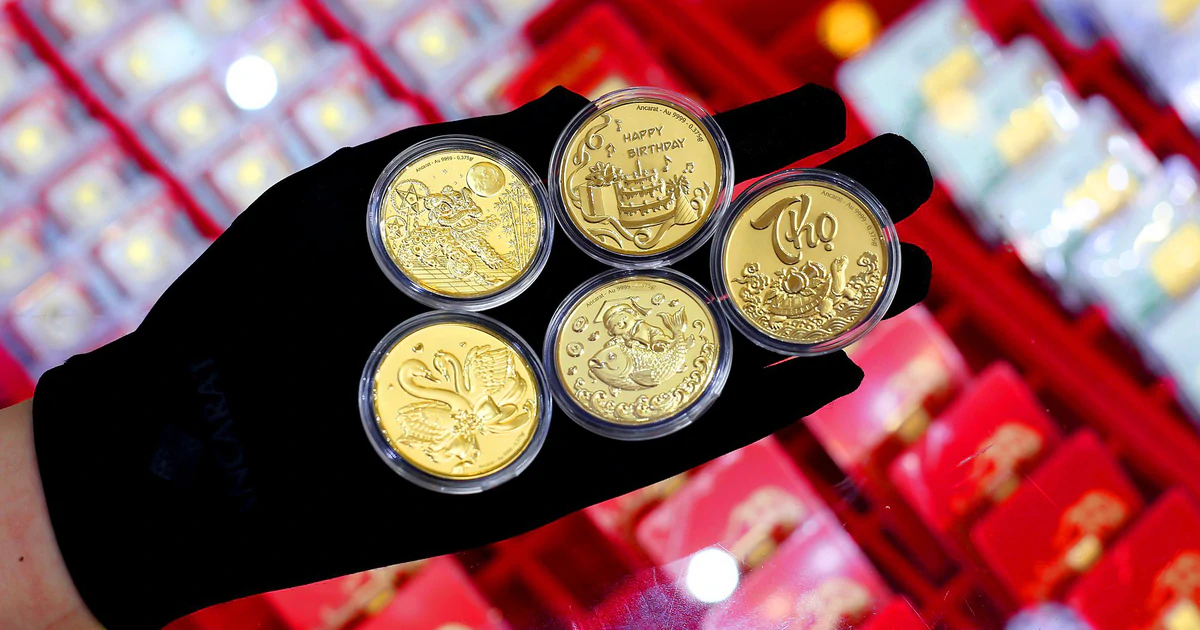
At home, the spread between local and international prices remains wide. As of the close on October 19, SJC-branded gold bars were offered for sale at 143.1 million dong per tael, with buy-back prices at 140.1 million. Gold rings stamped 9999 traded at 142.3 million for sale and 141.3 million for purchase at Mi Hong. Ancarat quoted a sell price of 148.1 million and a buy price of 144.6 million, keeping its premium among the highest in the market. In aggregate, domestic gold prices sit a full 12.9 million dong per tael above the converted world benchmark, a gap that has kept local buyers and dealers closely watching the exchange-rate channel.
Silver Closes the Week Near $57
The silver complex also posted a solid weekly performance, with spot silver finishing at $57.05 per ounce, equivalent to approximately 1.8 million dong per tael at prevailing rates. Domestic quotes varied modestly across dealers: Ancarat listed silver at 2.042 million dong for sale and 1.981 million for buy-back; SBJ quoted 2.058 million and 1.992 million respectively; and Phu Quy offered the widest spread at 2.066 million sale and 2.004 million purchase. The relative firmness in silver reinforces the broader safe-haven bid that has characterized the precious-metals complex through the autumn session.