Dollar Rises on Safe-Haven Flows and Euro Pressure
The U.S. dollar index (DXY) edged upward by 0.15 percent on Monday, extending its recent bid as investors sought defensive positioning amid growing geopolitical and domestic tensions in the eurozone. The primary driver of the dollar's advance was mounting political risk and social unrest in France, factors that collectively weighed on the euro and, by extension, strengthened the greenback against its major counterparts.
French political instability has become a recurring source of eurozone vulnerability, and Monday's session was no exception. Investors priced in the uncertainty surrounding France's fiscal and political outlook, which dampened sentiment toward the single currency. In a currency market where relative strength often drives flows, the euro's softness naturally lifted the dollar, even in the absence of fresh U.S. economic data.
Crude Oil Spike Rekindles Inflation Concerns
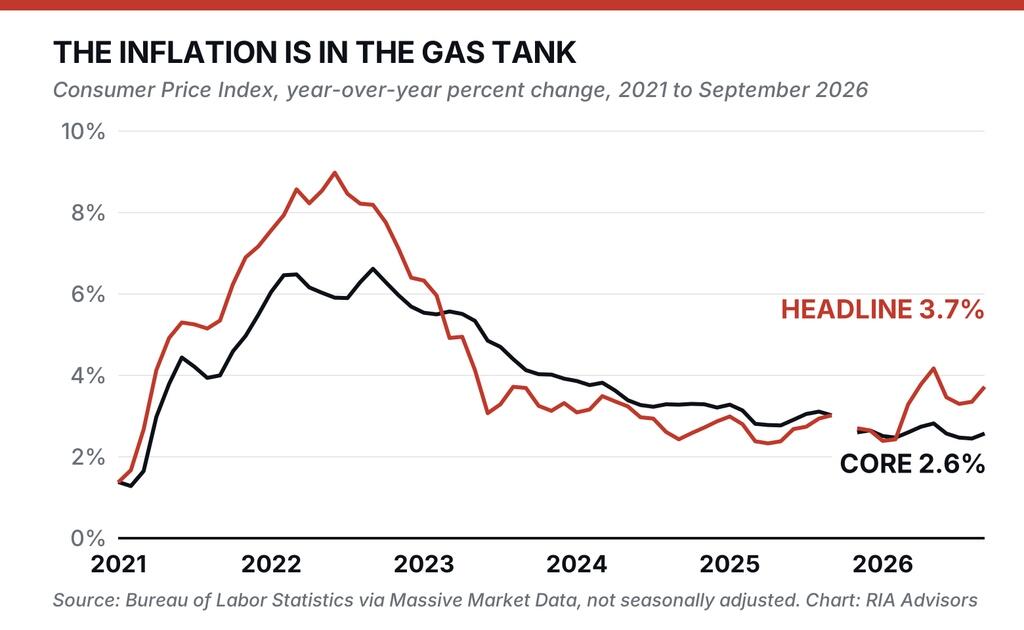
Adding to the dollar's tailwind, WTI crude oil prices climbed by more than 2 percent on Monday, pushing the benchmark to a five-week high. The rally in energy prices immediately raised concerns among market participants that sticky or accelerating inflation could persist longer than previously anticipated.
Higher oil prices feed directly into broader inflation metrics, particularly transportation and energy components that carry significant weight in consumer price indices. For traders tracking monetary policy expectations, the move in crude reinforced the view that the Federal Reserve may need to maintain or even tighten its restrictive stance for a longer duration to keep inflation expectations anchored.
Implications for Fed Policy and Currency Outlook
The combination of eurozone weakness and an oil-driven inflation upswing creates a dual headwind for the euro and a supportive backdrop for the dollar. If the Fed interprets the energy price spike as a signal that further rate cuts are premature, the resulting hawkish repricing would add another layer of support to the U.S. currency.
For forex traders and institutional investors, the key variables to monitor in the coming sessions include: the trajectory of French political developments and any potential escalation of social unrest; whether WTI crude consolidates near its five-week high or reverses; and any forward guidance from Fed officials that might reinterpret the inflation outlook. Until those signals clarify, the dollar's modest but persistent edge over the euro is likely to remain a defining feature of the currency complex.