Currency Outlook Points to Upside
The Malaysian ringgit appears to be entering a period in which it could see meaningful appreciation, according to a group of currency strategists. Their collective view is that two distinct macroeconomic forces are converging to create a favourable backdrop for the currency: sustained strength in global oil prices and the rapidly expanding demand associated with the artificial-intelligence sector.
Oil as a Structural Support
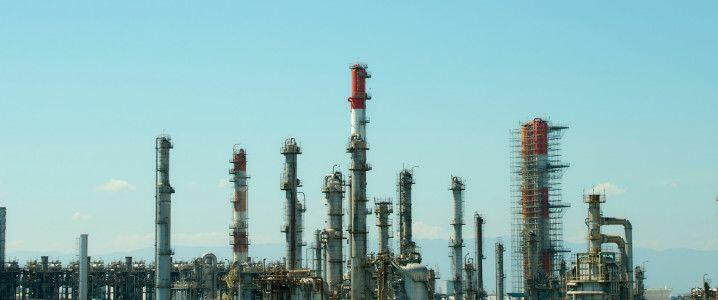
Malaysia's position as a net exporter of crude oil and natural gas means that firmer energy prices flow directly into the country's trade balance and fiscal receipts. Strategists note that as long as international benchmarks remain elevated, the ringgit benefits from a stronger current-account position and improved investor confidence in the broad Asian emerging-currency complex. The oil-price tailwind, in their assessment, provides a floor beneath the currency that would otherwise be absent in a weaker energy environment.
AI Boom Adds a Second Engine
Beyond the commodity factor, strategists point to the artificial-intelligence buildout as a second source of momentum. Malaysia's growing role in data-centre construction, semiconductor packaging, and the broader technology supply chain positions the ringgit to benefit from capital inflows tied to the AI infrastructure wave. Even a modest shift in allocation flows toward Malaysian assets, driven by AI-related investment, can exert upward pressure on the currency.
What to Watch
Strategists caution that the rally is conditional, not guaranteed. The upside case depends on oil prices holding their recent gains and on AI-related investment activity continuing to materialise in Malaysia rather than concentrating in other regional hubs. For now, however, the consensus tilt among the strategists surveyed is that the ringgit has more room to move higher than lower over the coming period, provided those two tailwinds remain intact.