What a Forex Quote Looks Like
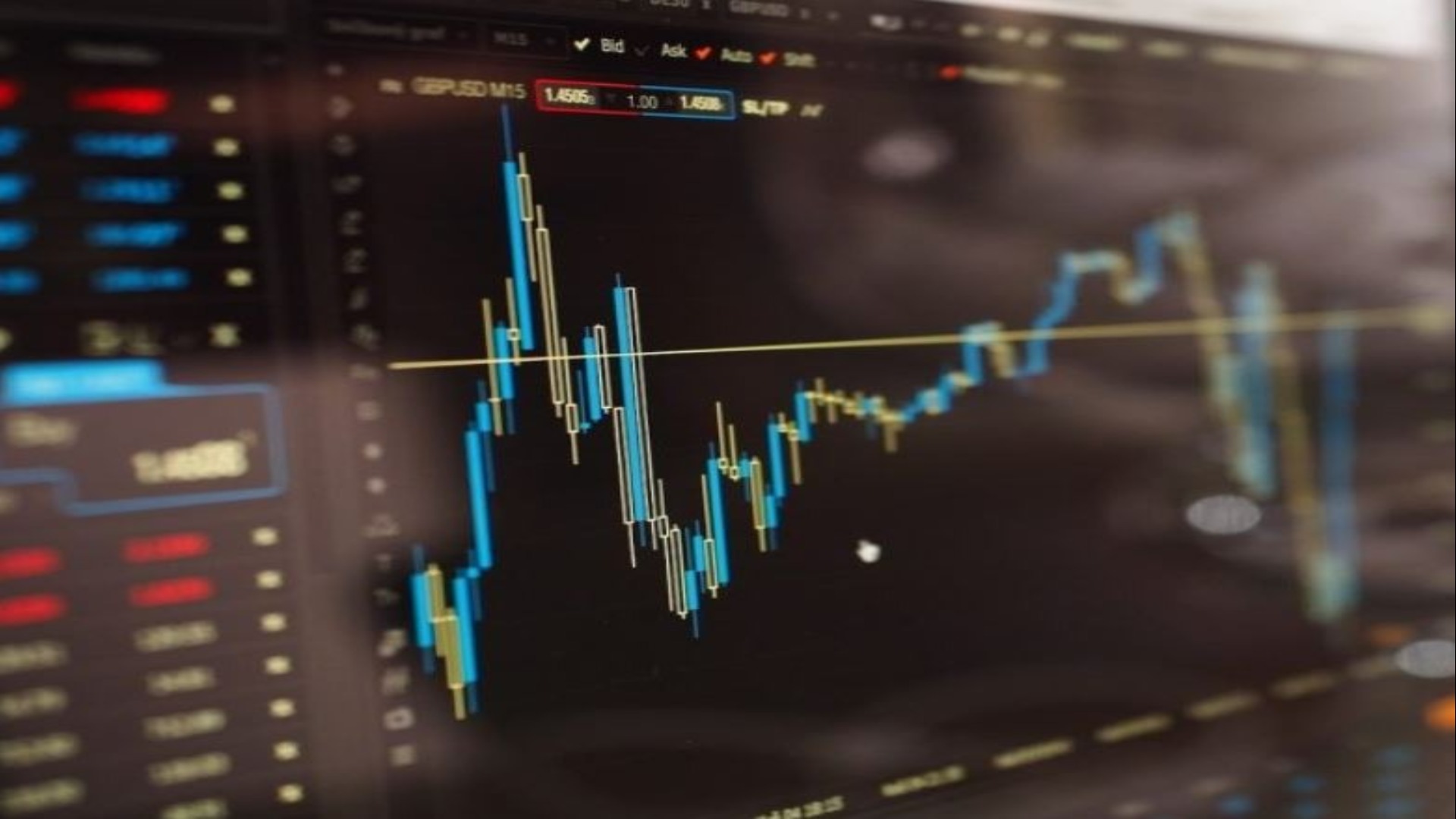
A forex quote is a pair of numbers that tells you the price at which a currency can be bought or sold. The format is always base currency / quote currency followed by two values: the bid and the ask. For example, a EUR/USD quote of 1.1200 / 1.1203 means that one euro can be sold for 1.1200 US dollars (bid) or bought for 1.1203 US dollars (ask). The quote updates continuously as market participants place orders, reflecting real‑time supply and demand.
Bid and Ask Prices Explained
- Bid price – The highest price a buyer is willing to pay for the base currency. When you sell the base currency, you receive the bid price.
- Ask price – The lowest price a seller is willing to accept for the base currency. When you buy the base currency, you pay the ask price.
The bid is always lower than the ask. This difference exists because market makers and liquidity providers need compensation for the risk of holding opposite positions. The bid‑ask relationship is the foundation of every trade; understanding which side of the quote you are interacting with prevents costly mistakes.
The Spread and Its Significance
The spread is the numerical gap between the ask and the bid. In the EUR/USD example above, the spread is 0.0003, or 3 pips. A pip (percentage in point) is the standard unit of price movement in most currency pairs.
Why the spread matters:
- Cost of entry – The spread is an immediate cost. When you open a position, you start the trade at a slight loss equal to the spread.
- Liquidity indicator – Tight spreads (small gaps) usually signal high liquidity and active trading. Wide spreads often appear in thinly traded pairs or during volatile periods.
- Broker comparison – Different brokers may offer varying spreads on the same instrument. Lower spreads can improve long‑term profitability, especially for high‑frequency or scalping strategies.
Practical Tips for Using Quotes
- Check the spread before entering a trade – Most platforms display the spread directly on the quote line. If the spread widens unexpectedly, consider postponing the trade.
- Align order type with the quote – Use market orders when you need immediate execution at the current ask (for buys) or bid (for sells). Limit orders let you specify a more favorable price, but they may not fill if the market does not reach your level.
- Factor the spread into stop‑loss and take‑profit levels – Place stops and targets a few pips beyond the spread to avoid premature exits caused by normal price noise.
- Monitor spread changes during major news releases – Even without referencing specific events, it is known that spreads can expand during periods of heightened uncertainty. Adjust position size accordingly.
- Compare broker spreads regularly – Even reputable brokers may adjust spreads based on market conditions. Periodic review ensures you are not paying unnecessary costs.
Common Misconceptions
- "The spread is a fee paid to the broker" – The spread reflects market liquidity and the broker’s cost of providing a price. While brokers earn from the spread, it is not a fixed commission; it fluctuates with market conditions.
- "A tighter spread always means a better broker" – Extremely tight spreads can be a sign of hidden commissions or lower execution quality. Evaluate overall trading conditions, including slippage and order execution speed.
- "Spread only matters for short‑term traders" – Long‑term investors also feel the impact of spread on entry price. Over many trades, even small spread differences accumulate.
Understanding bid, ask, and spread equips traders with the ability to read market quotes accurately, manage transaction costs, and select brokers that align with their trading style. By treating the spread as an integral part of every trade rather than an afterthought, traders can improve risk management and enhance overall profitability.