Price Action and Market Context
Global oil benchmarks closed lower on Monday, with Brent—the international reference price—posting its fourth consecutive daily decline, settling 3.4% beneath its prior close. The October contract of West Texas Intermediate, which reaches its expiration on Tuesday, shed approximately 4.5% on the session. Both benchmarks finished trading in the vicinity of $100 per barrel, a level that has become the psychological battleground for energy traders over recent weeks.
Saudi Export Shift and Supply Dynamics
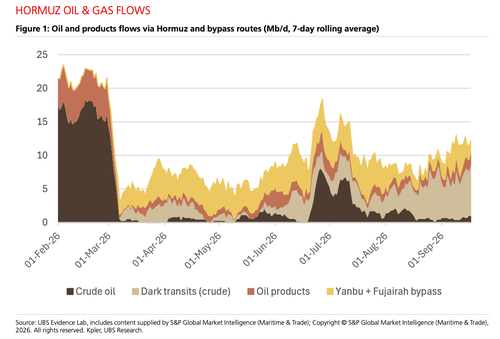
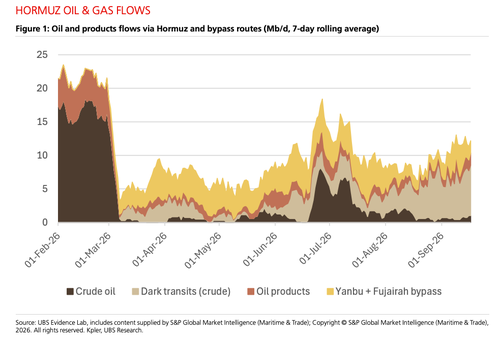
Satellite imagery captured over the weekend provided concrete evidence that Riyadh is ramping up tanker loadings out of its Persian Gulf facilities. The data revealed the highest concentration of vessels at the kingdom's principal Gulf port since June, signaling a material increase in export throughput. This surge reflects a deliberate strategic pivot: following drone strikes that forced the closure of Saudi Arabia's critical East-West pipeline, the government has been working to reroute its crude flows back through the Strait of Hormuz. The visible uptick in ship traffic confirms that this logistical recalibration is bearing fruit, at least in the near term.
Diplomatic Signals and Forward Outlook
Compounding the supply-side relief, market participants are also factoring in fresh indications of diplomatic momentum around the broader Iran conflict. Any progress toward de-escalation would further reduce the risk premium embedded in prices, potentially capping upside even if physical flows stabilize. In a related development, Bloomberg Markets featured a conversation with Humayun Tai, McKinsey's Global Leader of Energy and Materials, offering additional context on how shifting export corridors and geopolitical risk are reshaping the global oil trade landscape.