Early Asian Session: Gold Extends Its Slide
Gold prices extended their downward trajectory in early Asian trading hours, with the precious metal continuing to face meaningful selling pressure. The latest leg of the decline underscores that the broader downtrend in bullion has not yet found a floor, as investors remain locked in on the macro factors suppressing demand for the metal.
Central Bank Tightening as the Key Headwind
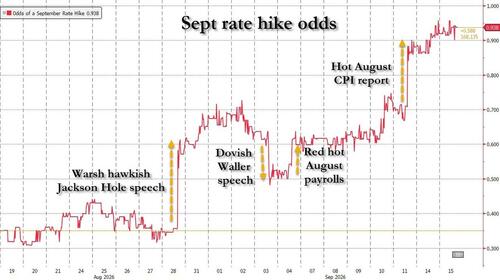
The primary driver behind gold's weakened performance is the market's growing conviction that central banks will pursue aggressive rate-hike cycles to bring inflation under control. Expectations of monetary tightening have dimmed the appeal of non-yielding assets, and gold sits squarely in that category. Because the metal pays no interest or dividend, it becomes comparatively less attractive when the opportunity cost of holding it rises — a dynamic that is intensifying as yields climb in step with rate-hike expectations.
The interplay between rising yields and gold prices is a well-established inverse relationship in markets. When central banks signal or deliver rate increases, short- and long-term government bond yields tend to rise, making cash and fixed-income instruments more competitive alternatives to holding physical or paper gold. This shift in the risk-reward calculus is precisely what traders are currently pricing into their positions.
What This Means for Traders: A Market-Analysis Perspective
Several points deserve close attention from a risk-and-positioning standpoint:
Trend persistence. The session language — a "continued" descent and pressure that "keeps" gold under weight — signals that this is not a one-off wobble but part of a structural re-pricing. Traders who are long the metal should be mindful that the prevailing macro narrative remains hostile to non-yielding assets.
Yield sensitivity. Because the pressure is being driven by expected rate hikes and the resulting rise in yields, any surprise in central-bank communications or inflation data that alters those expectations could trigger sharp repricing in gold. Volatility risk is elevated in this environment.
Positioning risk. In a market where the dominant narrative favors tightening, counter-trend trades (i.e., buying the dip in gold) carry a greater risk of further drawdowns if central-bank hawkishness is reinforced by upcoming data. Traders should size positions accordingly and manage stop-losses with the understanding that the fundamental driver — inflation-fighting rate hikes — has not yet been resolved.
Cross-asset context. The pressure on gold is not isolated; it reflects a broader re-pricing of non-yielding assets in a rising-rate environment. Portfolio managers and forex traders should consider how gold's weakness interacts with currency positions, particularly the US dollar, which often strengthens on rate-hike expectations, as well as broader risk-asset flows.
In summary, the early Asian session reinforces that the headwinds facing gold are macro-driven and persistent. Until there is a credible shift in the inflation narrative or a change in central-bank policy direction, the risk for bullion holders remains skewed to the downside.