Market Reaction to the Jobs Report
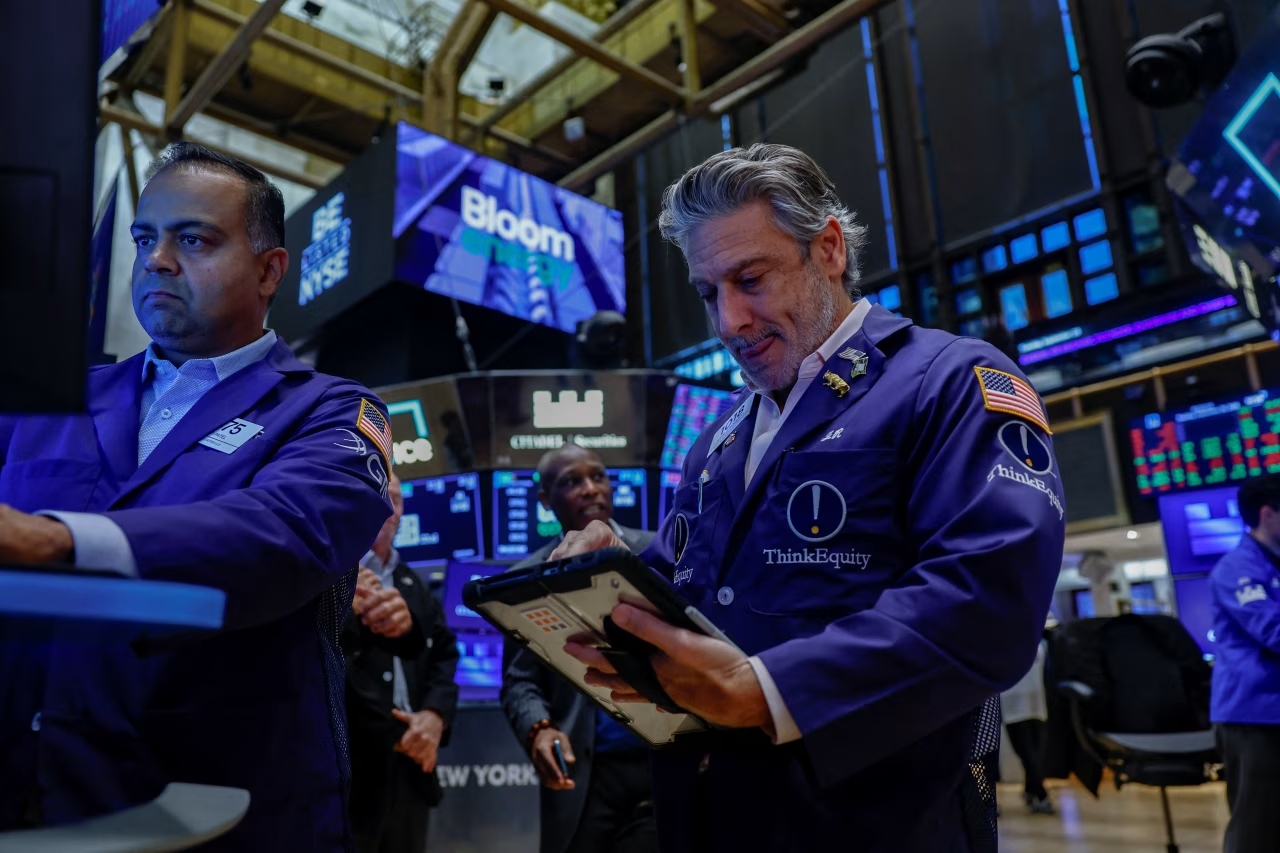
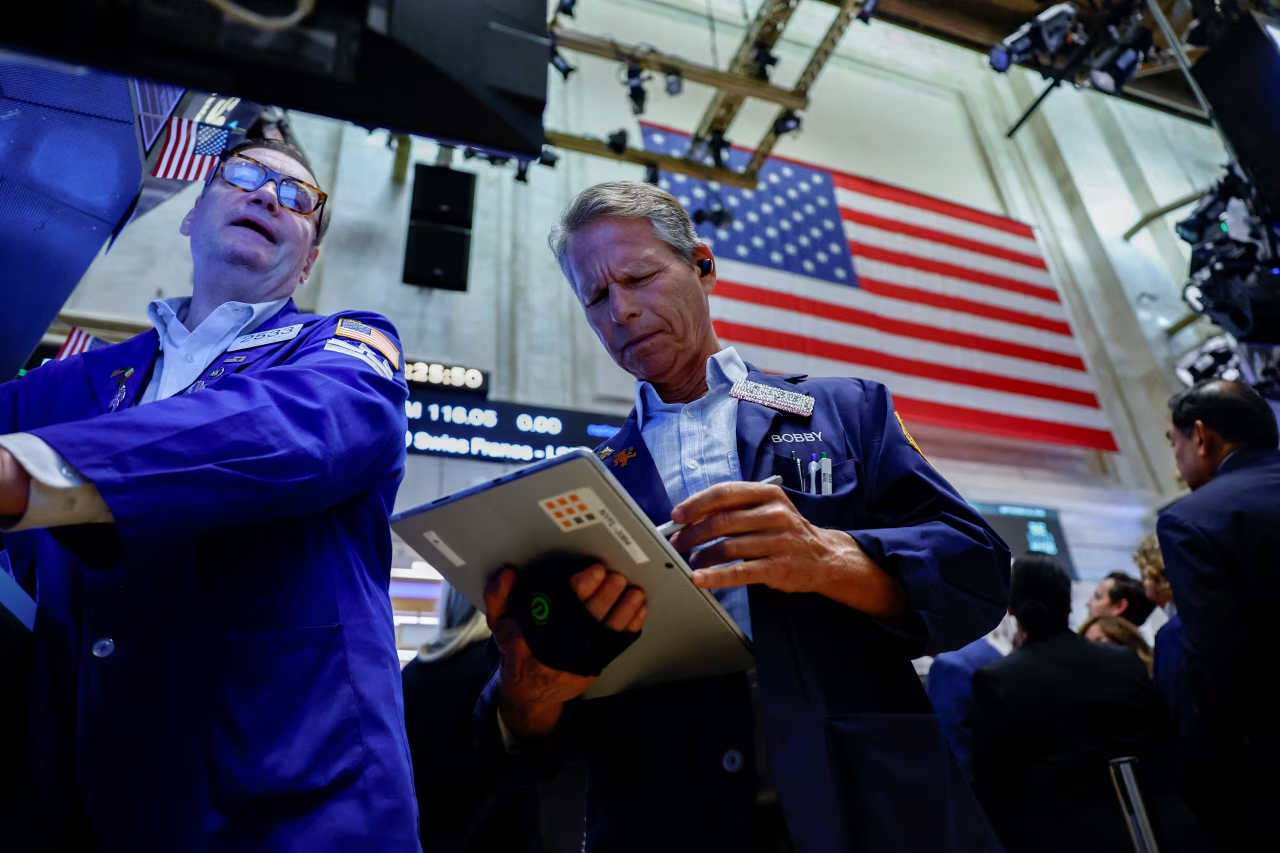
U.S. equities closed higher after the latest payrolls print came in softer than consensus forecasts, easing investor fears that the Federal Reserve would need to pursue a more aggressive path of rate increases. The jobs data, which landed below expectations, shifted the tone of the day's trading session and rewarded risk assets that had been under pressure from hawkish Fed commentary in recent weeks.
For market analysts, the key takeaway was straightforward: a cooling labor market reduces the urgency for the central bank to tighten monetary policy further. Traders quickly repriced their expectations, and the relief rally in stocks reflected a repricing of the probability that additional hikes would be necessary.
Expert Panel Weighs In
The day's market action drew extensive discussion on Bloomberg Television's closing-bell program, which assembles a cross-section of policymakers, strategists, and economists to dissect the session. The panel featured Chris Phelan, Chairman of the Council of Economic Advisers, alongside former U.S. Labor Secretary Robert Reich, who offered historical context on labor-market dynamics.
From the buy-side and sell-side, Morgan Stanley Equity Research Managing Director Alex Straton and investment strategy analyst Veronica Willis provided commentary on positioning and sector rotation following the data release. Dr. Cecilia Elena Rouse, President of the Brookings Institution, weighed in on the broader implications of labor-market softening for the U.S. economy.
Credit and emerging-markets perspectives were represented by Atsi Sheth, Moody's Chief Credit Officer, and Brendan McKenna, Societe Generale's Emerging Markets Strategist, who discussed how shifting Fed expectations could ripple through credit spreads and currency markets. Rounding out the lineup, Gary Marcus, CEO and founder of Robust AI Inc., addressed the intersection of artificial-intelligence investment themes with the macro backdrop.
Taken together, the panel underscored that while the jobs report provided near-term relief, the trajectory of inflation and wage growth would continue to anchor the Fed's policy path and, by extension, the direction of equity markets in the weeks ahead.