A data breach at the European payments firm saw identification documents, residential addresses, and other sensitive details passed to fraudsters who impersonated government authorities. Affected clients have been notified.
The High Court has formally wound up the remaining entities of the Chance Voight group, confirming that investor funds were recycled from new deposits. The FMA warns the case underscores serious risks for retail investors in unregulated fixed-income structures.
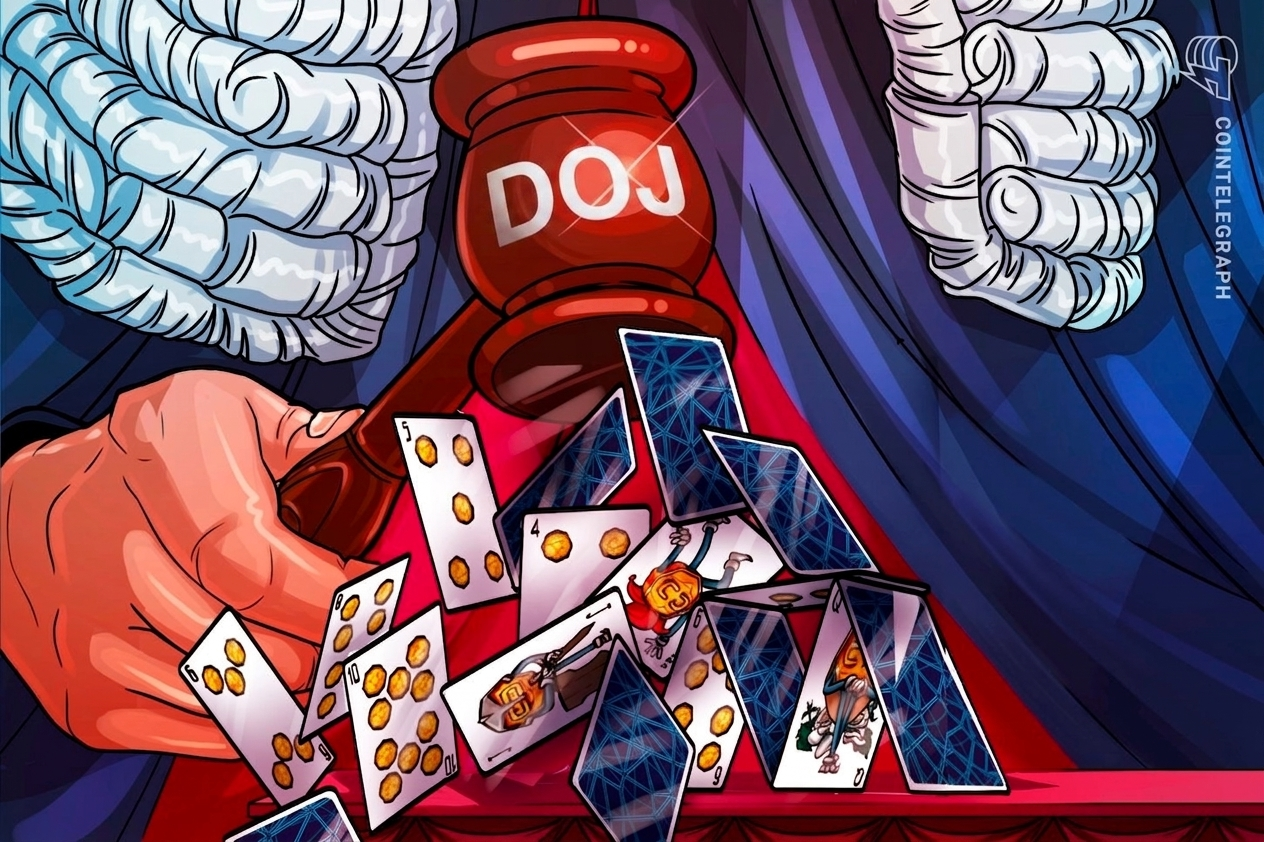
A former IFS Securities trader was sentenced to over 16 years in prison after unauthorized, directionally wrong bond positions in 2019 generated $30 million in losses and pushed the Chicago firm into bankruptcy.
A fraudulent government request tricked digital bank Revolut into releasing customers' Bitcoin transaction histories, passport images, selfies, and home addresses, although no customer funds were stolen.
The Cyprus Securities and Exchange Commission has published a September 2026 warning naming ten domains that offer no verifiable link to any licensed investment or crypto-asset service provider, exposing retail traders to unregulated risk.
A new US Treasury report reveals that transnational criminal organizations operating from compounds in Southeast Asia were behind roughly $13 billion in digital asset scams targeting American residents between 2023 and 2025.
A $1.1 million hack targeting a neobank's crypto card system sent its AVICI token crashing 49% from a 24-hour peak, a stark reminder of the counterparty and platform risks that traders often overlook.
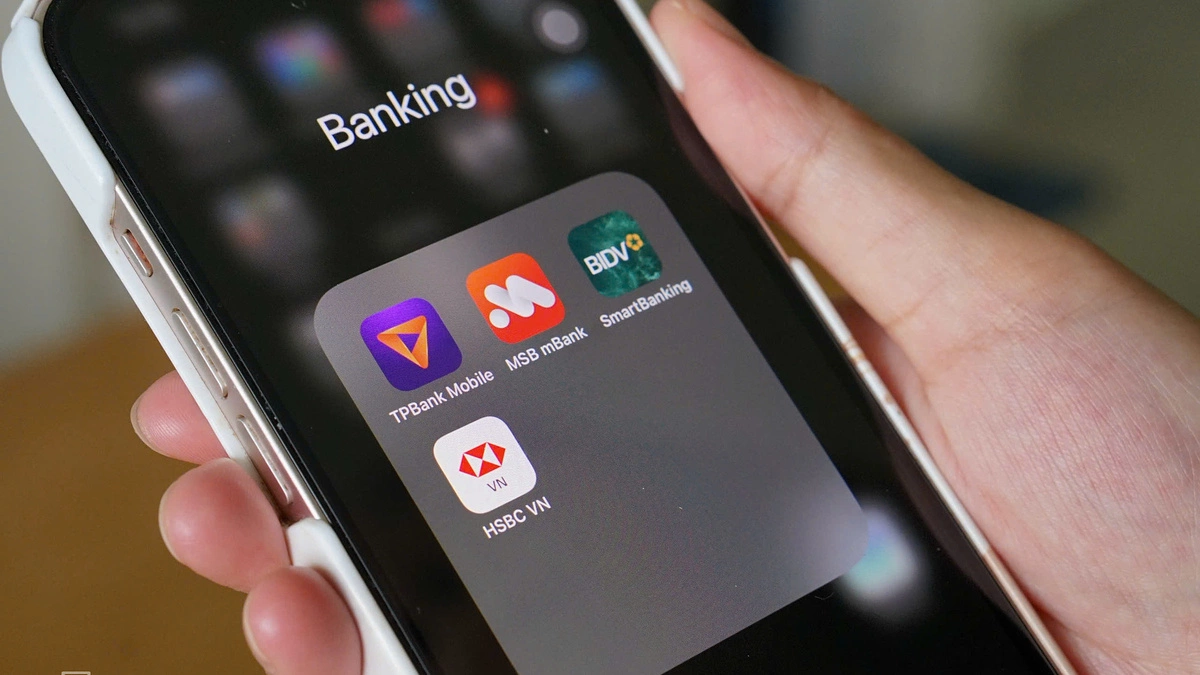
As Vietnamese banks intensify their competition for customer funds, fraudsters are weaponizing the popularity of above-market negotiated rates to pull victims into elaborate online heists that have already cost one depositor 5 billion VND.
A Guardian Money reader turned the tables on a phone fraud ring by feigning confusion and feeding the scammers false details, keeping them engaged for three full hours and inadvertently documenting the entire social-engineering playbook used in modern bank impersonation scams.
A federal jury convicted Brent Kovar of running a $24 million cryptocurrency Ponzi operation that duped more than 400 investors, exposing him to a statutory maximum of 280 years in prison.
Nevada businessman Brent Kovar was found guilty of swindling more than 400 investors out of roughly $24 million through a fraudulent “AI supercomputer” cryptocurrency operation.
The founder of the crypto‑analytics platform revealed that Apple removed a counterfeit app after it drained a small wallet, prompting a delay in the launch of DefiLlama’s own mobile application to protect users from fraud.