Common Breach Scenarios in Forex Trading
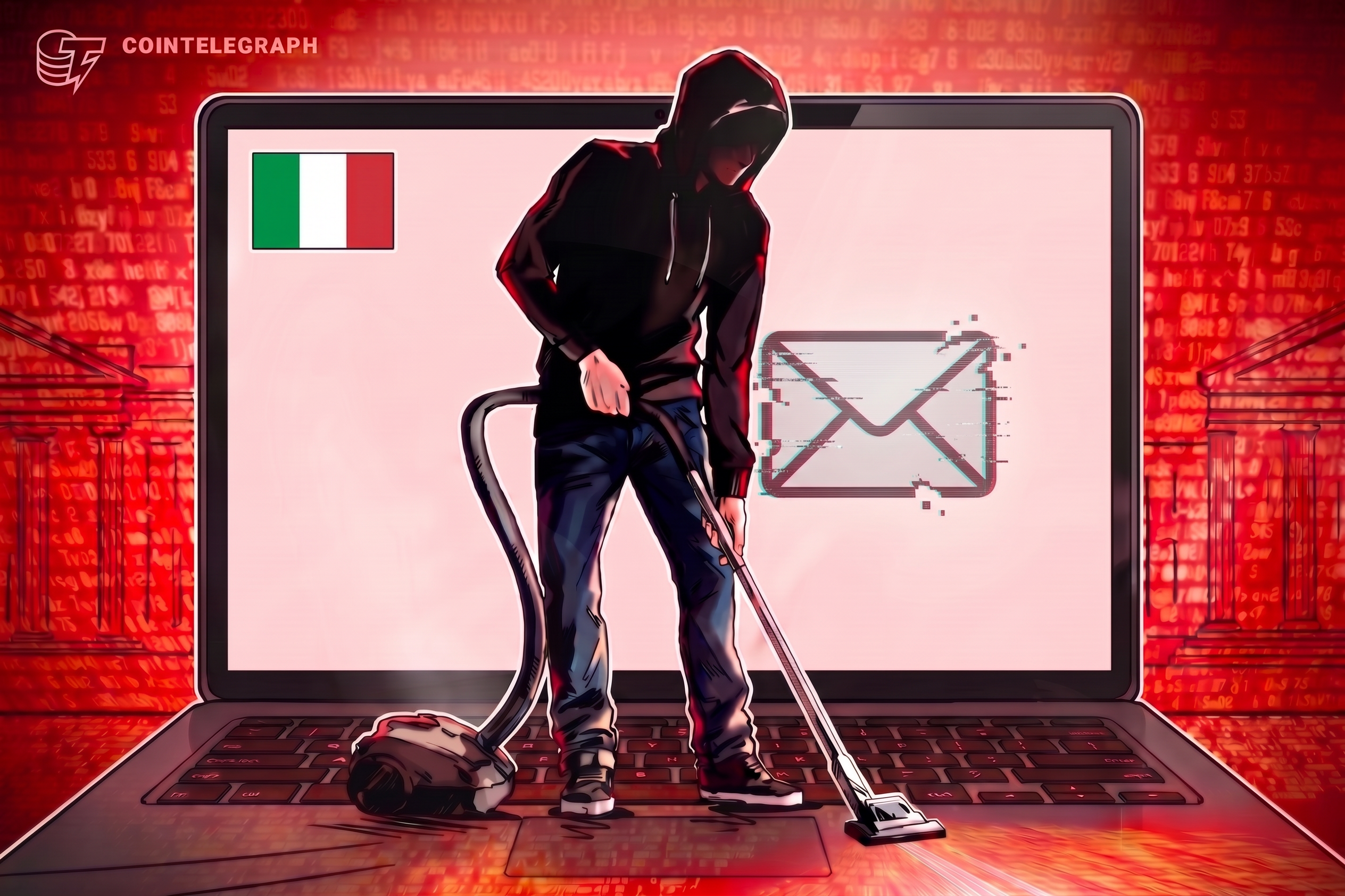
Data breaches in the forex ecosystem often stem from a few predictable sources. First, phishing emails that mimic broker communications can trick traders into revealing login credentials or installing malware. Second, insecure broker platforms may expose API keys or account data through poorly protected servers. Third, third‑party services such as automated trading bots or cloud storage can become entry points if they are not properly secured. Finally, physical theft or loss of devices that contain wallet files or encryption keys can lead to unauthorized access.
Because most traders rely on a single broker or a small set of platforms, a breach in one service can cascade across multiple positions. Even if a broker’s internal controls are robust, the external attack surface—such as mobile apps, desktop clients, and web portals—remains vulnerable.
Immediate Actions to Protect Your Assets
- Change All Passwords Immediately – Use a strong, unique password for each service. If the broker offers two‑factor authentication (2FA), enable it right away.
- Disconnect or Disable API Access – If you use automated trading, revoke existing API keys and generate new ones. Keep only the keys you actively use.
- Monitor Account Activity – Review recent trades, pending orders, and account balances. Look for any unfamiliar activity or large withdrawals.
- Notify Your Broker – Contact the support team to report the breach and request a temporary freeze on the account. Many brokers have protocols to lock accounts until identity verification is complete.
- Change Email Credentials – The email account associated with your trading profile is a common target. Update its password and enable 2FA.
- Run Security Scans – Use reputable antivirus and anti‑malware tools to check for spyware or keyloggers on your devices.
These steps reduce the likelihood that a compromised credential can be used to move funds or alter trade parameters.
Strengthening Long‑Term Security Practices
- Adopt a Password Manager – Store complex passwords and generate new ones automatically. This reduces the risk of password reuse across sites.
- Use Hardware Security Keys – Devices such as YubiKey or Google Titan provide a physical layer of authentication that cannot be phished.
- Segment Access – Keep trading software on a dedicated machine or a virtual environment separate from everyday browsing. This limits the spread of malware.
- Regularly Update Software – Apply operating system, browser, and trading platform updates promptly to patch known vulnerabilities.
- Educate on Phishing – Familiarize yourself with common phishing tactics. Verify URLs, look for certificate warnings, and avoid clicking on unfamiliar links.
- Backup Critical Data – Store encrypted copies of wallet files and key material in secure, offline storage.
By embedding these habits into daily routines, traders can dramatically lower their exposure to future breaches.
Monitoring and Reporting
Continuous vigilance is essential. Subscribe to broker security alerts, and set up real‑time notifications for login events or large transactions. If a breach is confirmed, report it to regulatory authorities and industry bodies. Sharing details helps improve overall market security and may assist other traders in identifying similar vulnerabilities.
Conclusion
Data breaches pose a real threat to forex traders, but a structured response and disciplined security habits can mitigate damage. Immediate actions—changing passwords, disabling APIs, and notifying brokers—protect current assets, while long‑term measures—password managers, hardware keys, and device segmentation—build resilience against future incidents. By staying informed and proactive, traders maintain control over their accounts and safeguard their financial interests.