Dollar Rallies on Forceful Fed Rhetoric
The U.S. Dollar Index (DXY) climbed to a two-week high on Friday, posting a gain of 0.61%. The move was driven primarily by remarks from Federal Reserve Chair Kevin Warsh, who cautioned that inflation has not shown meaningful deceleration and pledged that the central bank will keep pressing until prices return to the 2 percent target. Warsh expressed what he described as being impressed by the strength of the economy, while simultaneously emphasizing that the latest inflation readings do not indicate the underlying trend has improved in any meaningful way. He added that policymakers must be confident the 2 percent goal will be met; otherwise, the Fed still has "work to do."
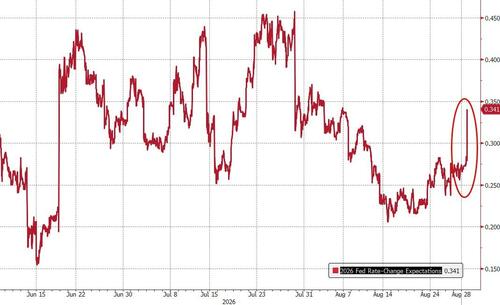
The market reaction was swift. The implied probability of a 25-basis-point rate hike at the next FOMC meeting, scheduled for September 15-16, jumped to 57 percent from just 36 percent before Warsh took the podium. The University of Michigan's August consumer sentiment index, which was revised upward by 0.7 points to 51.7 (against expectations of no change at 51.0), provided additional tailwind for the greenback.
Offsetting some of the dollar's momentum was a surprising downward revision to 2026 nonfarm payrolls. The annual benchmark revision showed a net loss of 79,000 jobs, well below the expected increase of 183,000, pointing to a labor market that is weaker than previously reported. The August MNI Chicago PMI also disappointed, contracting by 10.5 points to 47.1 — the sharpest decline in eight months — versus market expectations of a rise to 57.9.
On the inflation-expectations front, the one-year horizon was revised down to 4.0 percent from 4.3 percent, contrary to forecasts of an upward tick to 4.4 percent. The five-to-ten-year gauge stayed unchanged at 3.3 percent, matching consensus.
Euro and Yen Both Slide
EUR/USD dropped to a one-week low, closing 0.62 percent lower on Friday. The euro's weakness was a direct consequence of the dollar's hawkish-driven rally, compounded by lingering negative sentiment from a Wednesday Bloomberg report indicating that Russia is preparing to intensify its military operations against Ukraine after concluding that peace negotiations have stalled. A partial offset came from Eurozone August economic confidence data, which rose 1.3 points to 98.4 — a seven-month high — beating the 97.5 consensus.
Markets are currently pricing in a 94 percent probability of a 25-basis-point ECB rate hike at its September 10 policy meeting.
On the cross-dollar front, USD/JPY advanced 0.44 percent, sending the yen to a four-week low. Hawkish Fed commentary lifted both the dollar and Treasury yields, widening the already substantial rate differential: the Bank of Japan's policy rate sits at 1.00 percent, far below the Fed's 3.50-3.75 percent target range.
Japan's data offered some modest support. The July unemployment rate fell 0.1 point to 2.4 percent, undercutting the expected flat reading of 2.5 percent and signaling labor-market resilience. August Tokyo CPI came in at 1.9 percent year over year (up from 1.8 percent in July), in line with forecasts. The core measure, excluding fresh food and energy, rose to 2.0 percent year over year from 1.8 percent, also matching expectations.
Underlying yen support comes from growing expectations of a BOJ rate hike in either September or October. The Japanese government is seen favoring a tightening move to shore up the currency and curb the inflationary pressure that a weak yen exerts on import prices. Additionally, the market continues to factor in the risk of further coordinated U.S.-Japan intervention should the yen persist at its recent lows. Traders are discounting an 84 percent chance of a 25-basis-point BOJ hike at the September 18 meeting.
Precious Metals Suffer Sharp Pullback
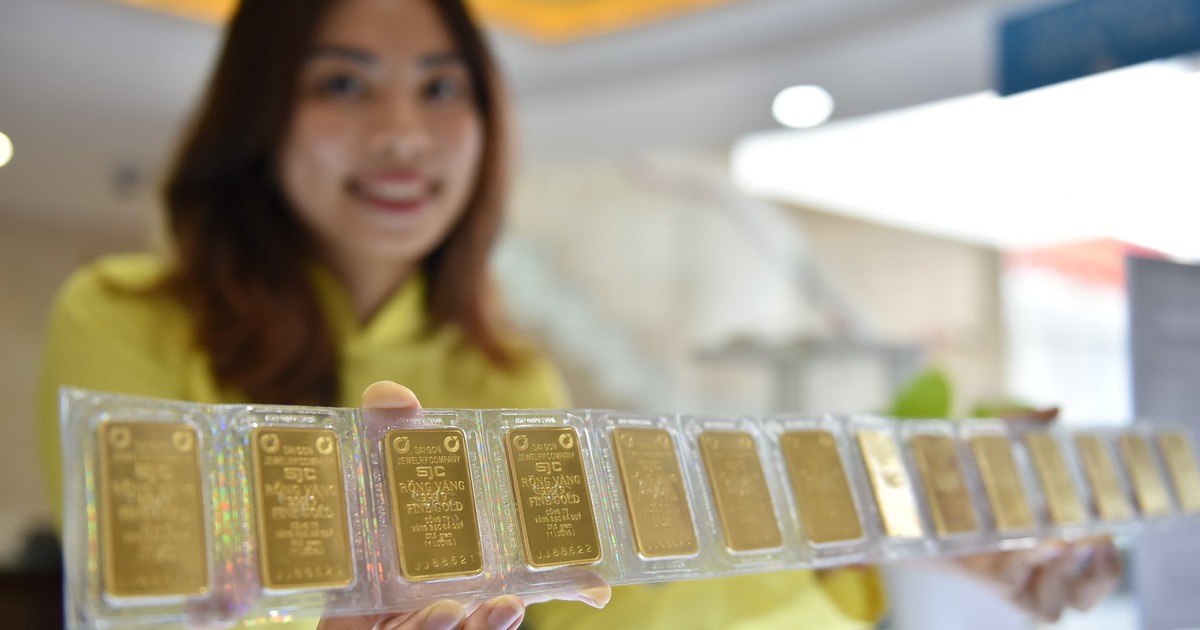
October COMEX gold (GCV26) closed down 133.10 dollars, a 2.88 percent decline, while September COMEX silver (SIU26) fell 2.436 dollars, or 3.51 percent. Both metals hit one-week lows before settling sharply lower.
The primary driver was Warsh's hawkish tone, which lifted the dollar to its two-week peak and raised the odds of a September Fed hike from 36 to 57 percent. Broader global bond yields also climbed on Friday, adding further headwind for non-yielding assets.
Even so, structural demand remains a constructive undercurrent. Long positions in gold ETFs expanded to a four-month high on Friday, and silver ETF long holdings had already climbed to a 4.75-month high on Tuesday. Central bank accumulation continues to underpin the gold market: on August 7, it was revealed that the People's Bank of China added 640,000 troy ounces of bullion to its reserves in July, bringing the total to 76.08 million troy ounces — the twenty-first straight month of increases.